BAW 212 Off-Road SUV-CatonSourcing.com

{{ tags.important.name }}BAW 212 Off-Road SUV

{{ tag.name }}
优惠前:
已售{{ sales_count }}
原价:
已售{{ sales_count }}
{{ important_discount.small_badge }}
倒计时00分00秒
{{ important_discount.desc }}
{{ opt.name }}
{{ opt.view_mode === 'img' ? '列表' : '图片' }}
{{ item.name }}
{{ item.name }}
{{ item.value }}
{{ item.name }}
商品评价

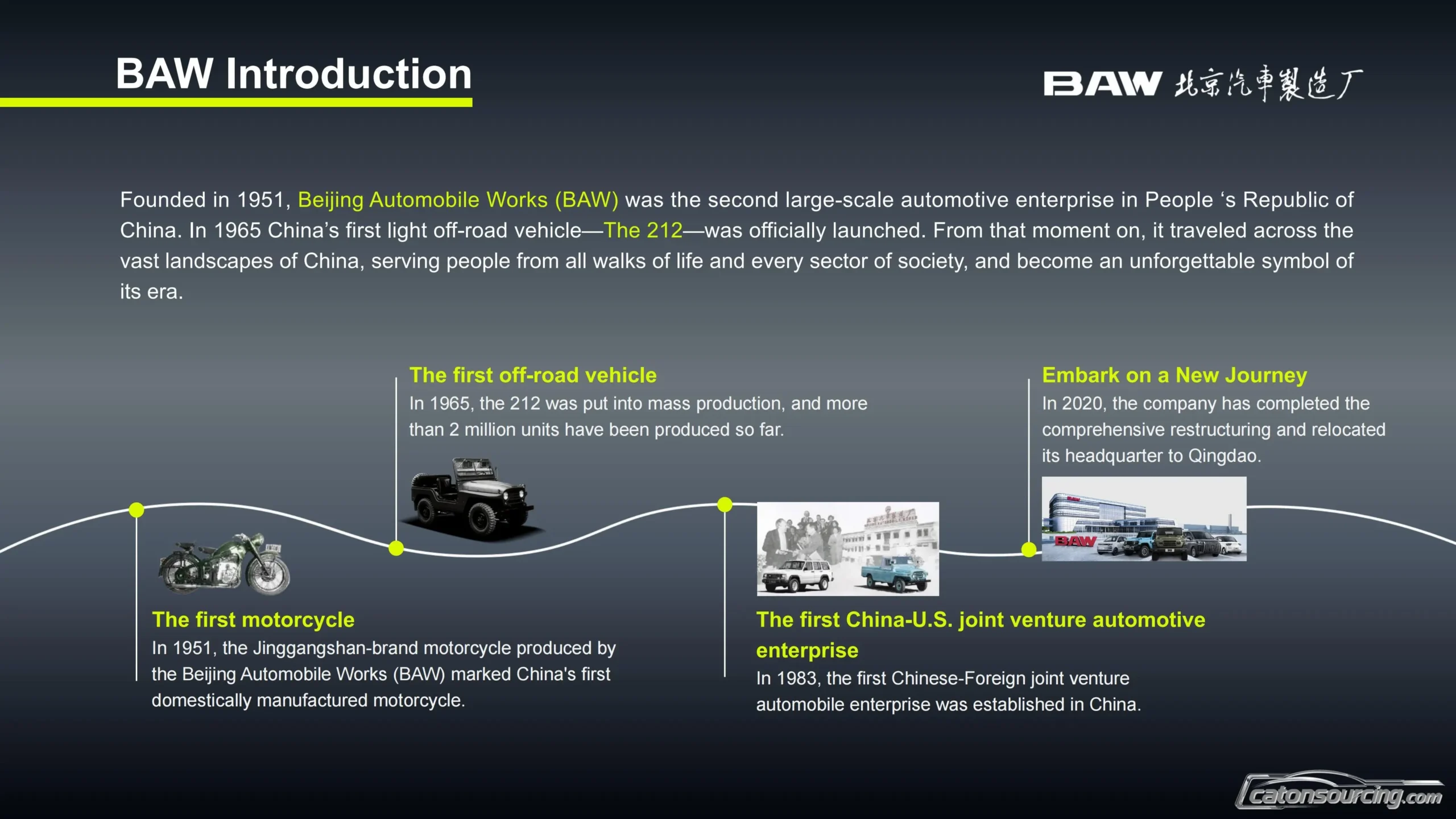
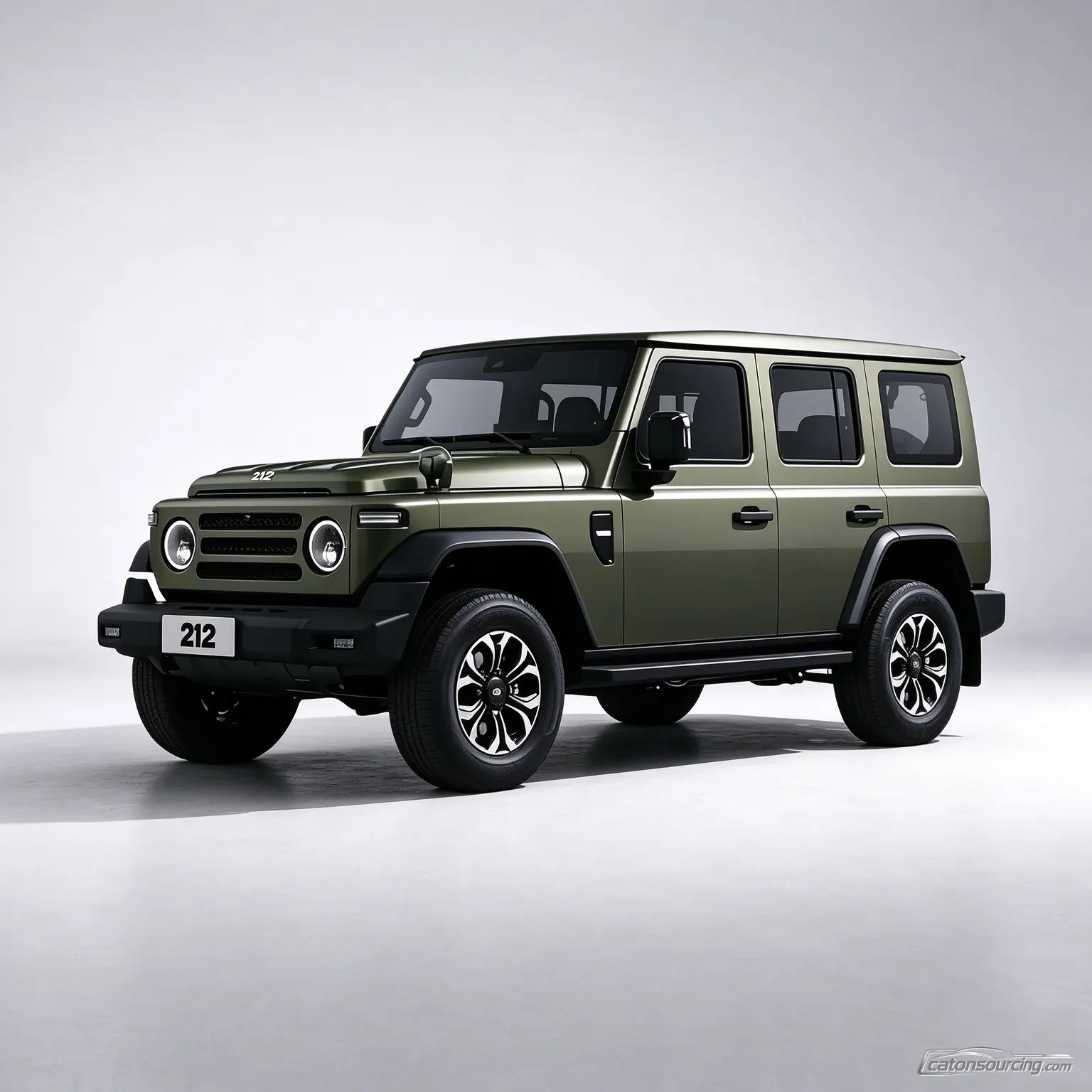
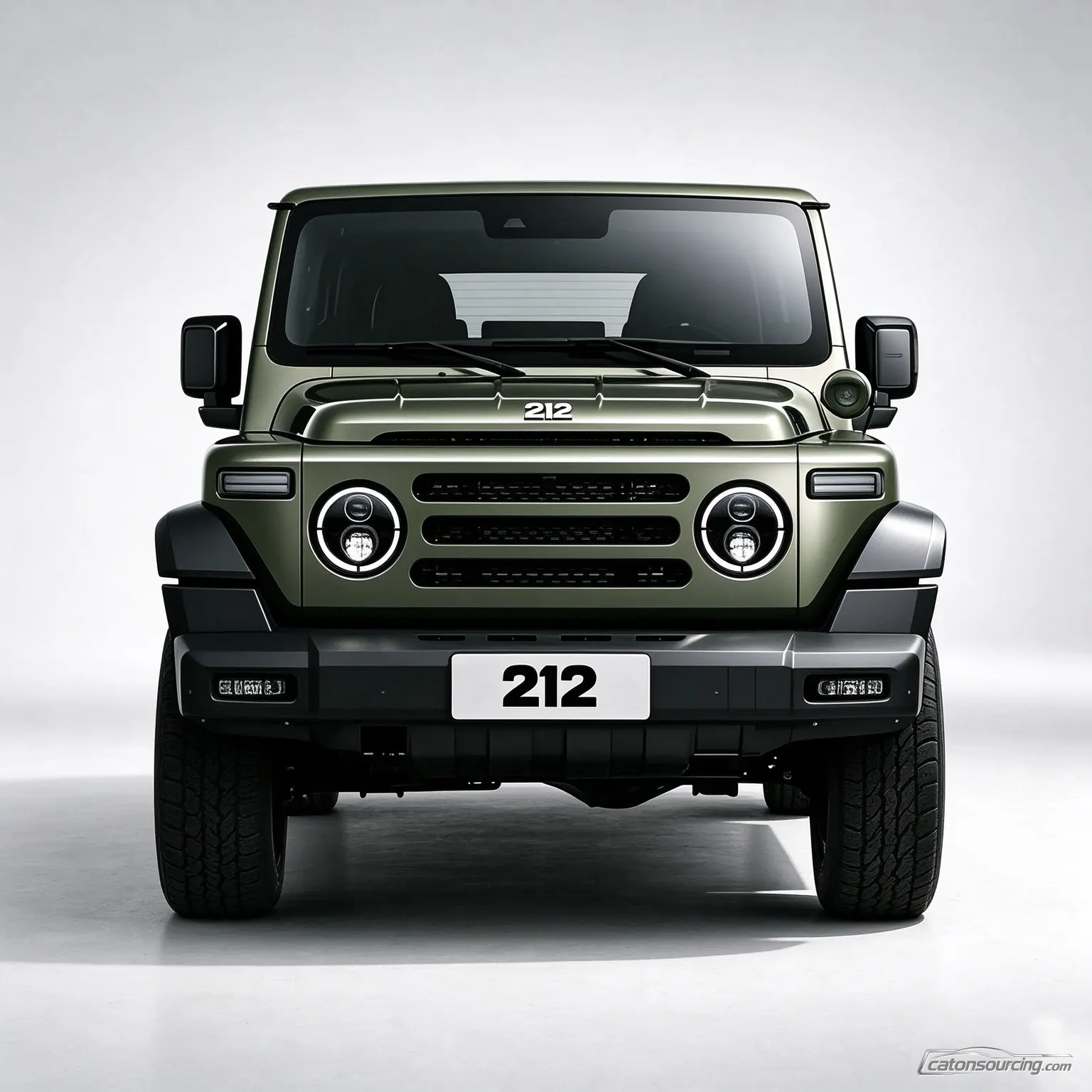
The BAW 212 is a body-on-frame, solid-axle off-road SUV that traces its lineage to the BJ212 military vehicle introduced in 1965. The modern model was launched in 2024 on a dedicated platform, repositioning the nameplate as a rugged but livable 4×4 for both extreme terrain and daily use. It is produced by Beijing Automobile Works (BAW).

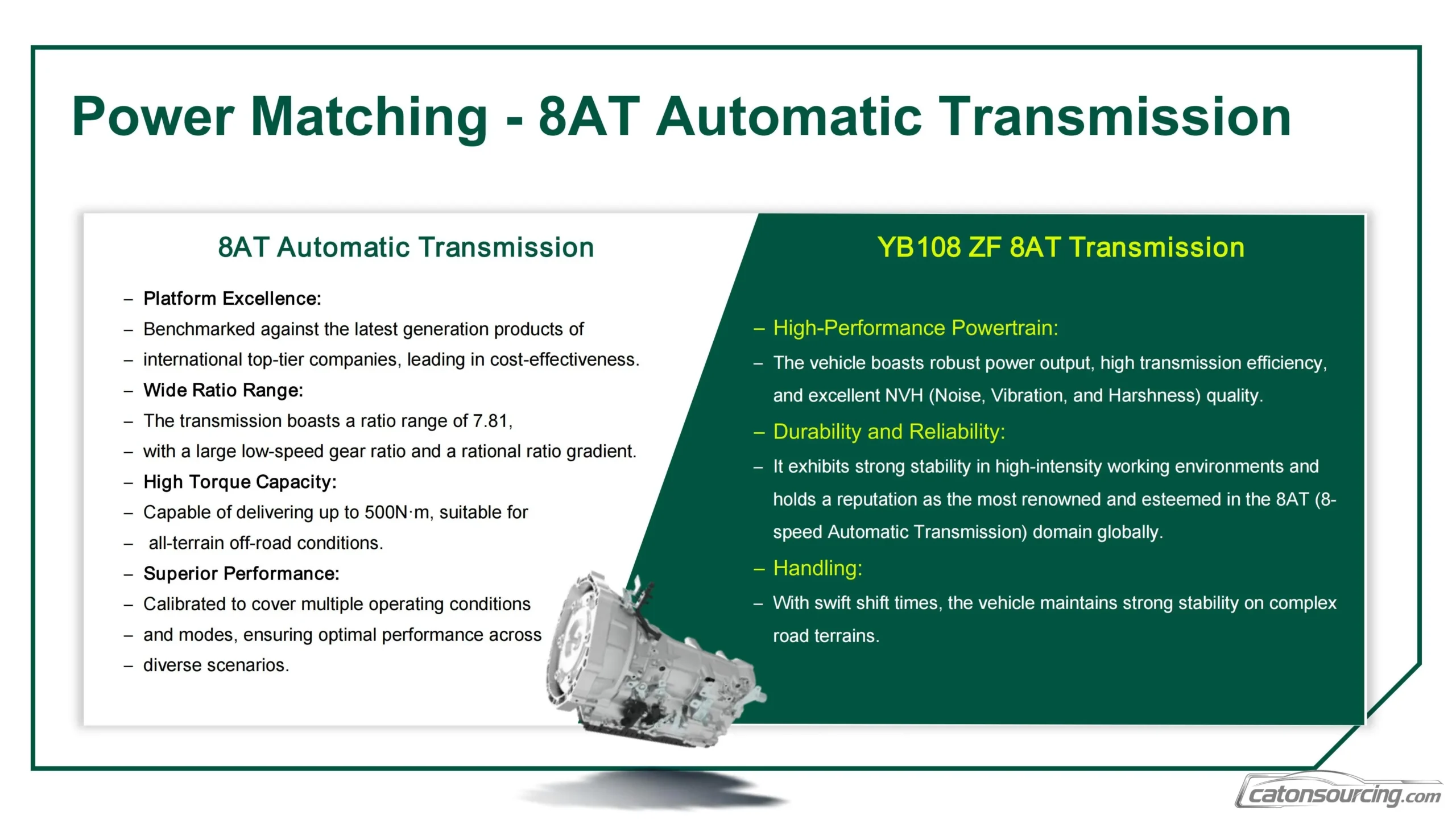
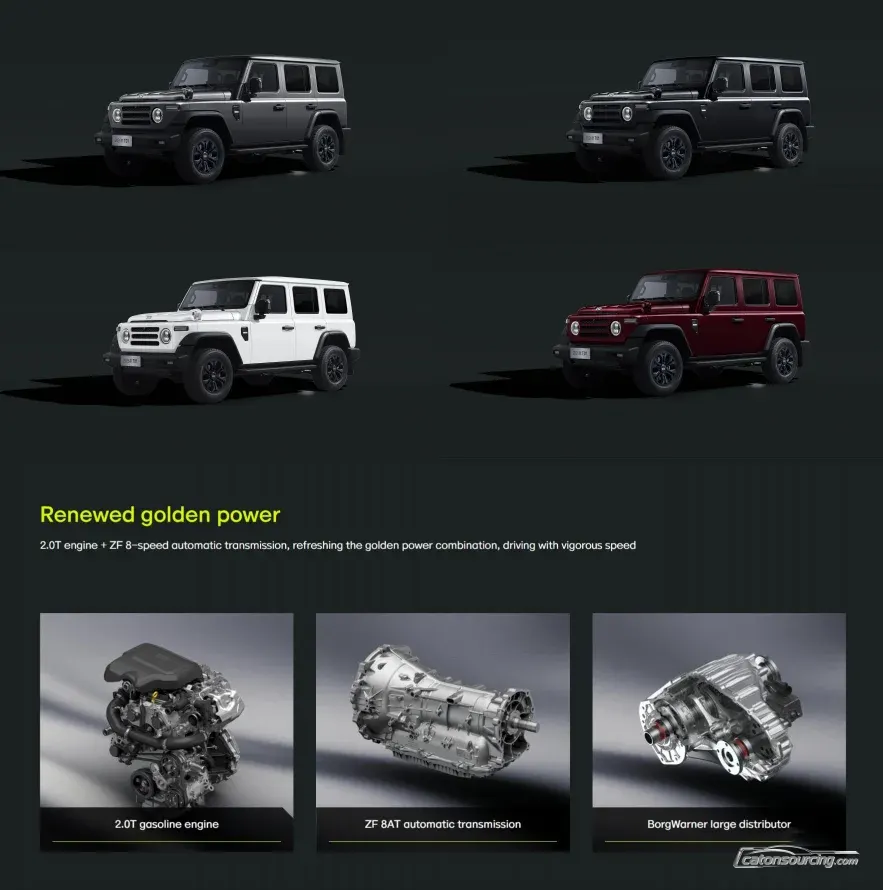
The vehicle combines a ladder-frame chassis, front and rear rigid axles, part-time four-wheel drive with low range, and modern powertrains including a 2.0T diesel and a 2.0T gasoline engine, both mated to a ZF 8-speed automatic transmission.

图片[1]-BAW 212 Off-Road SUV-CatonSourcing.com

Chassis and Body Construction

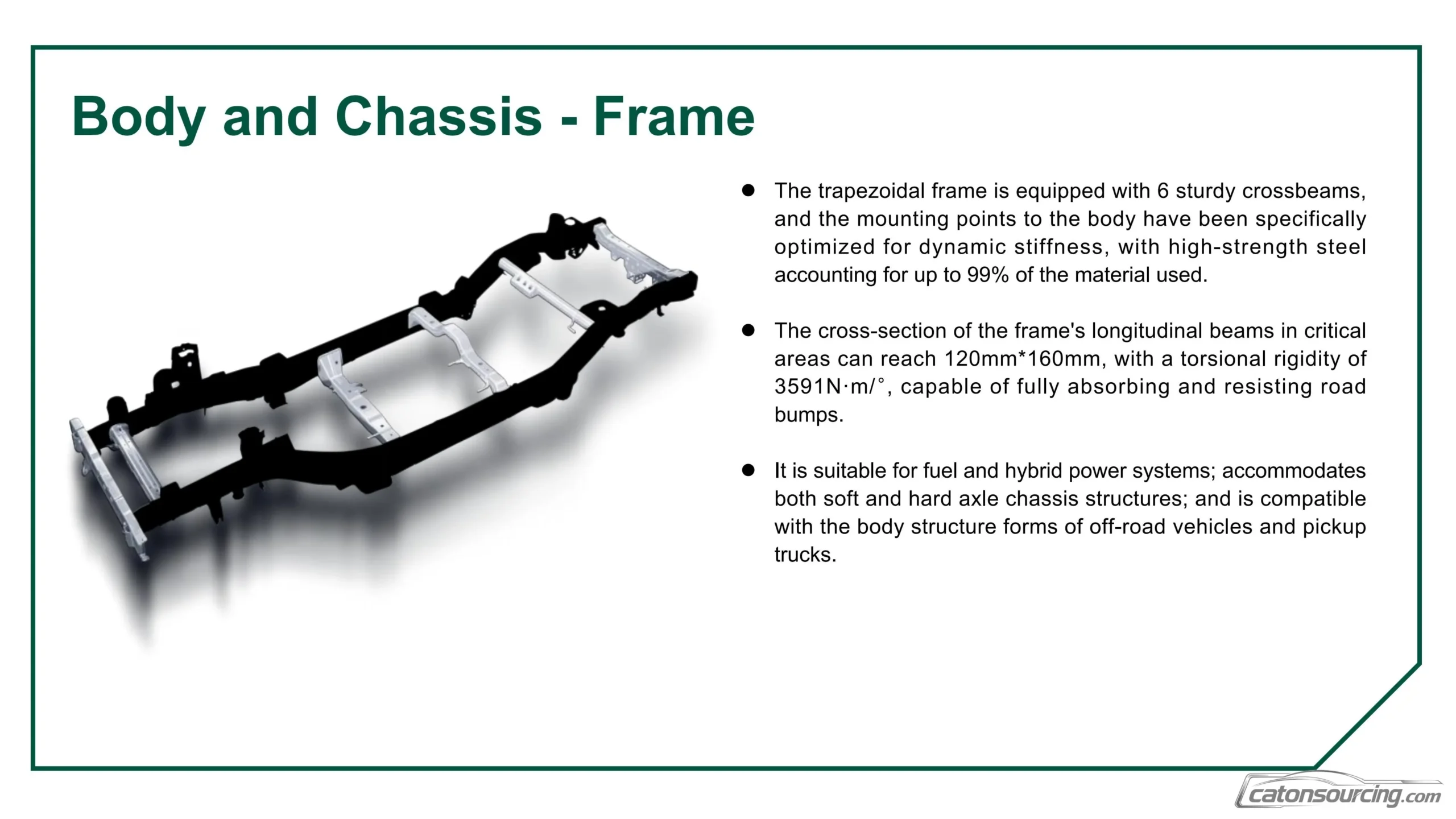
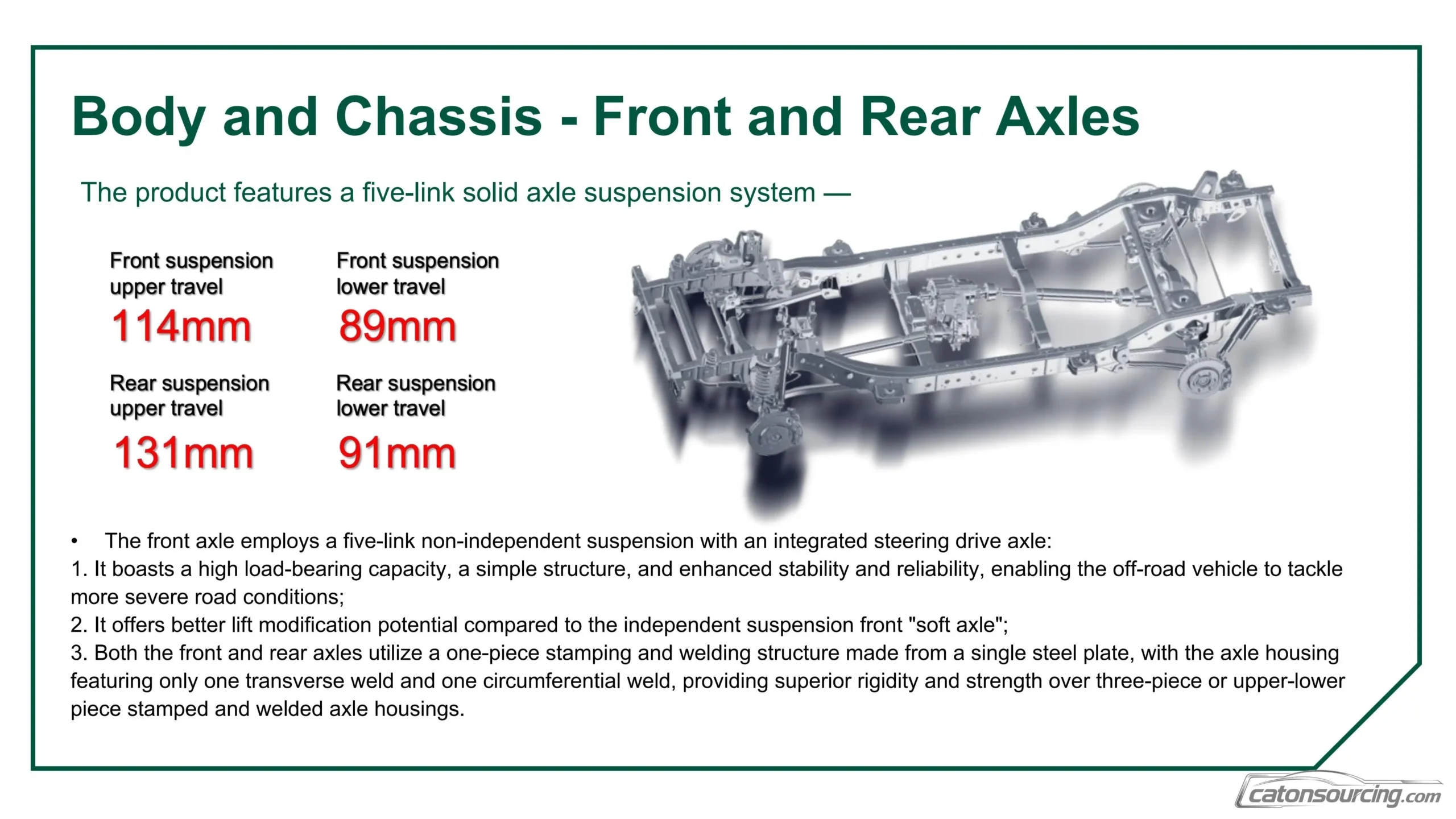
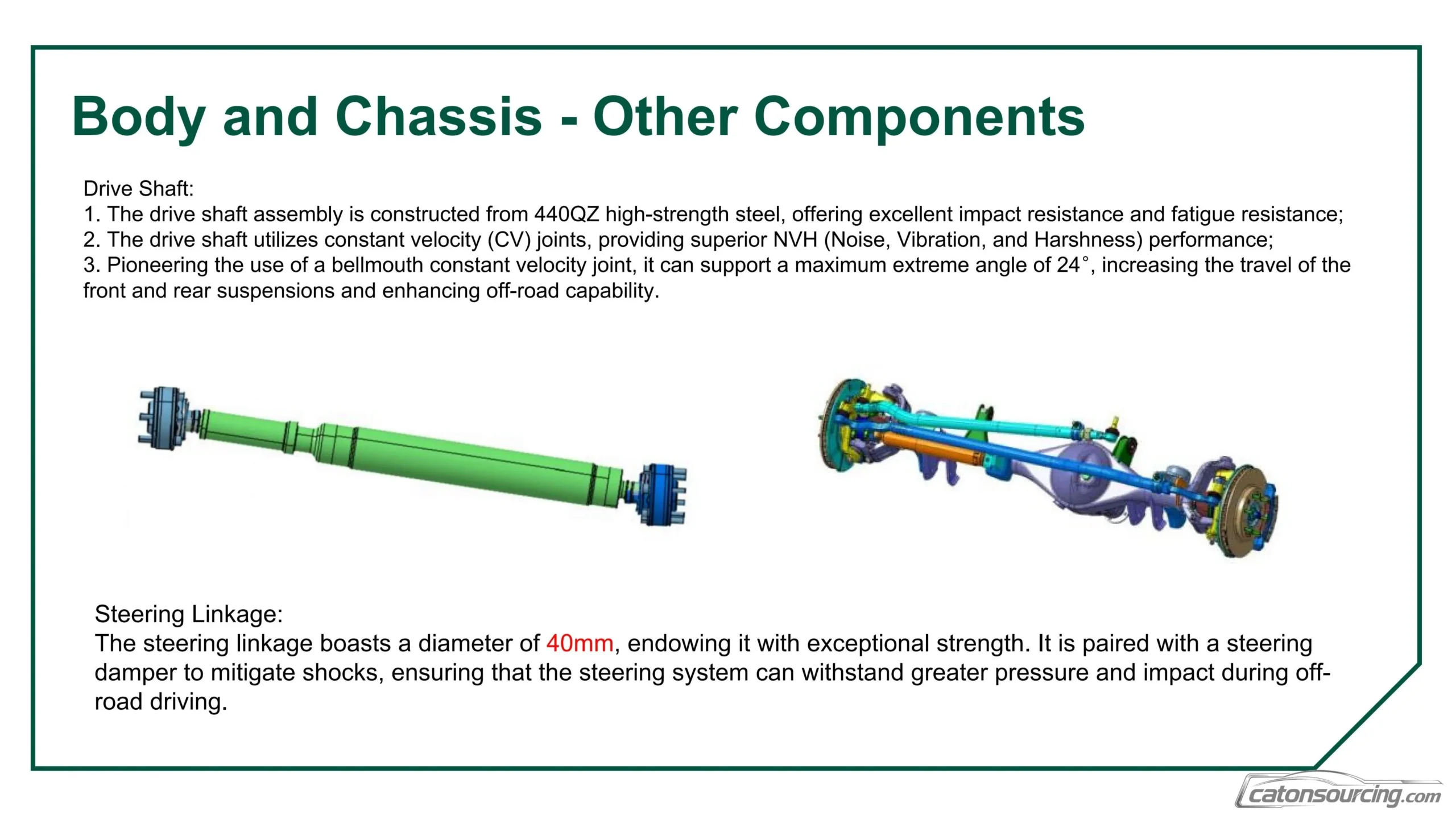
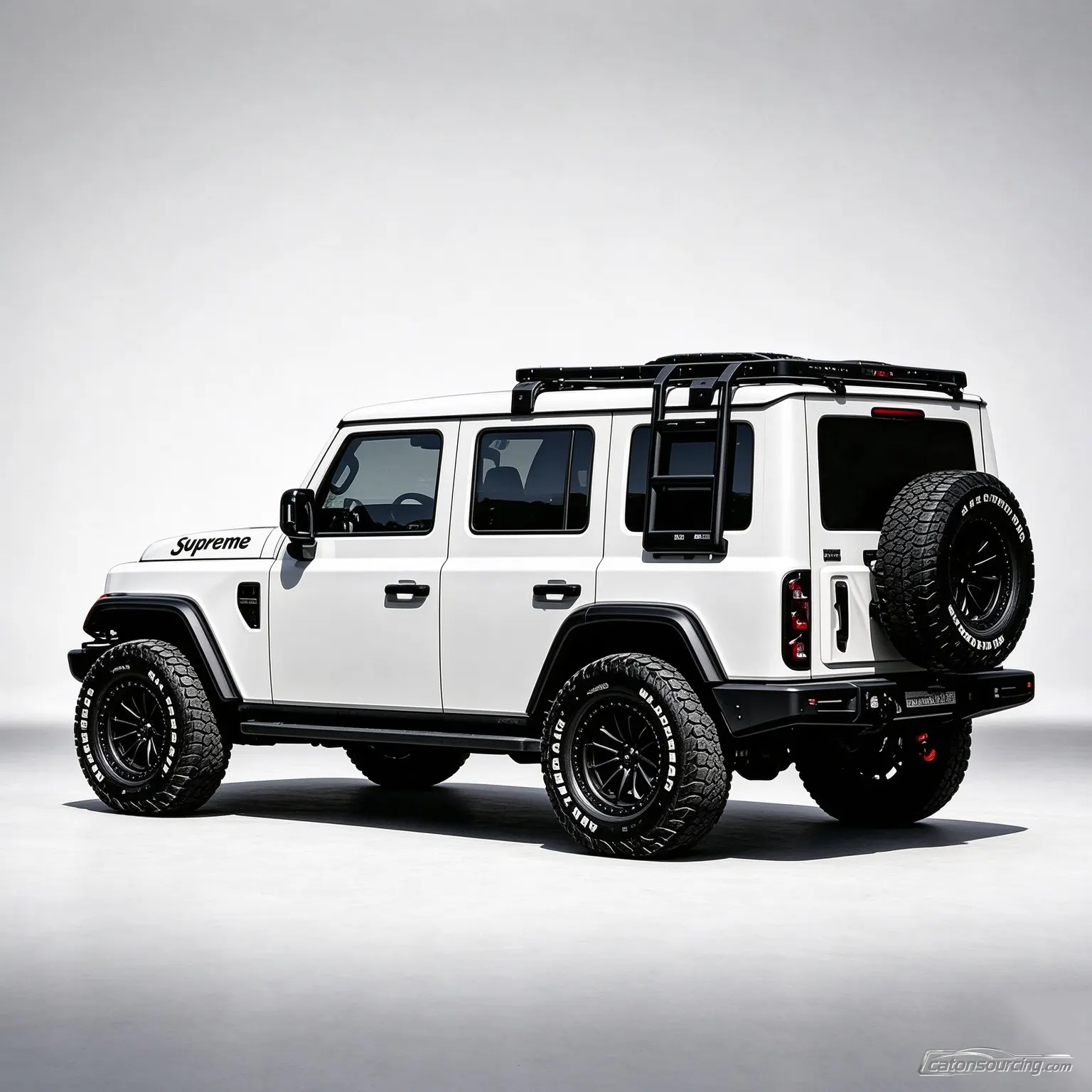
The BAW 212 uses a non-load-bearing ladder-frame chassis with front and rear solid axles. The front suspension is a five-link coil-spring rigid axle setup; the rear is also a rigid axle with coil springs. This architecture prioritizes axle articulation, durability under impact, and modification potential over outright road comfort.

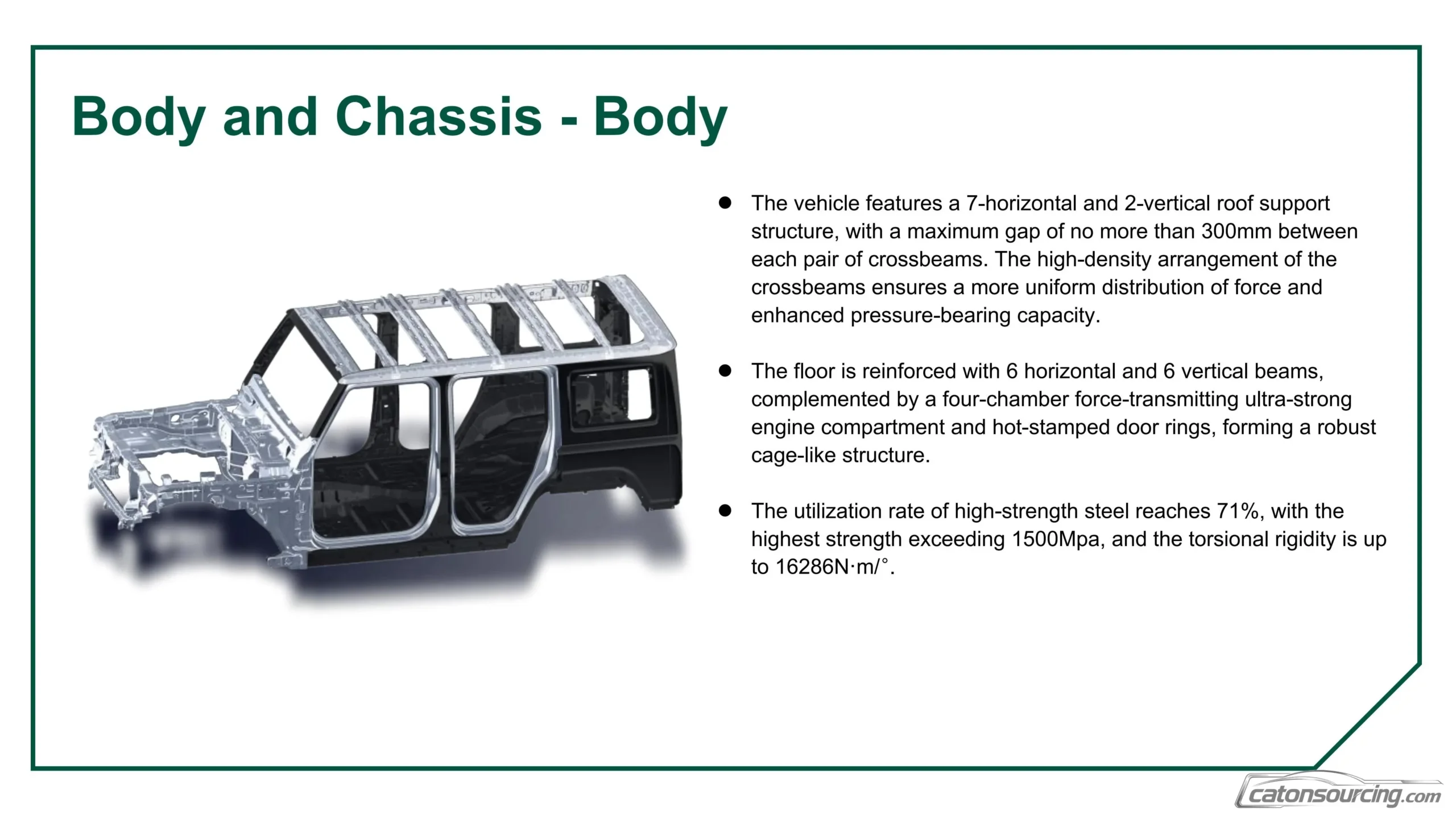
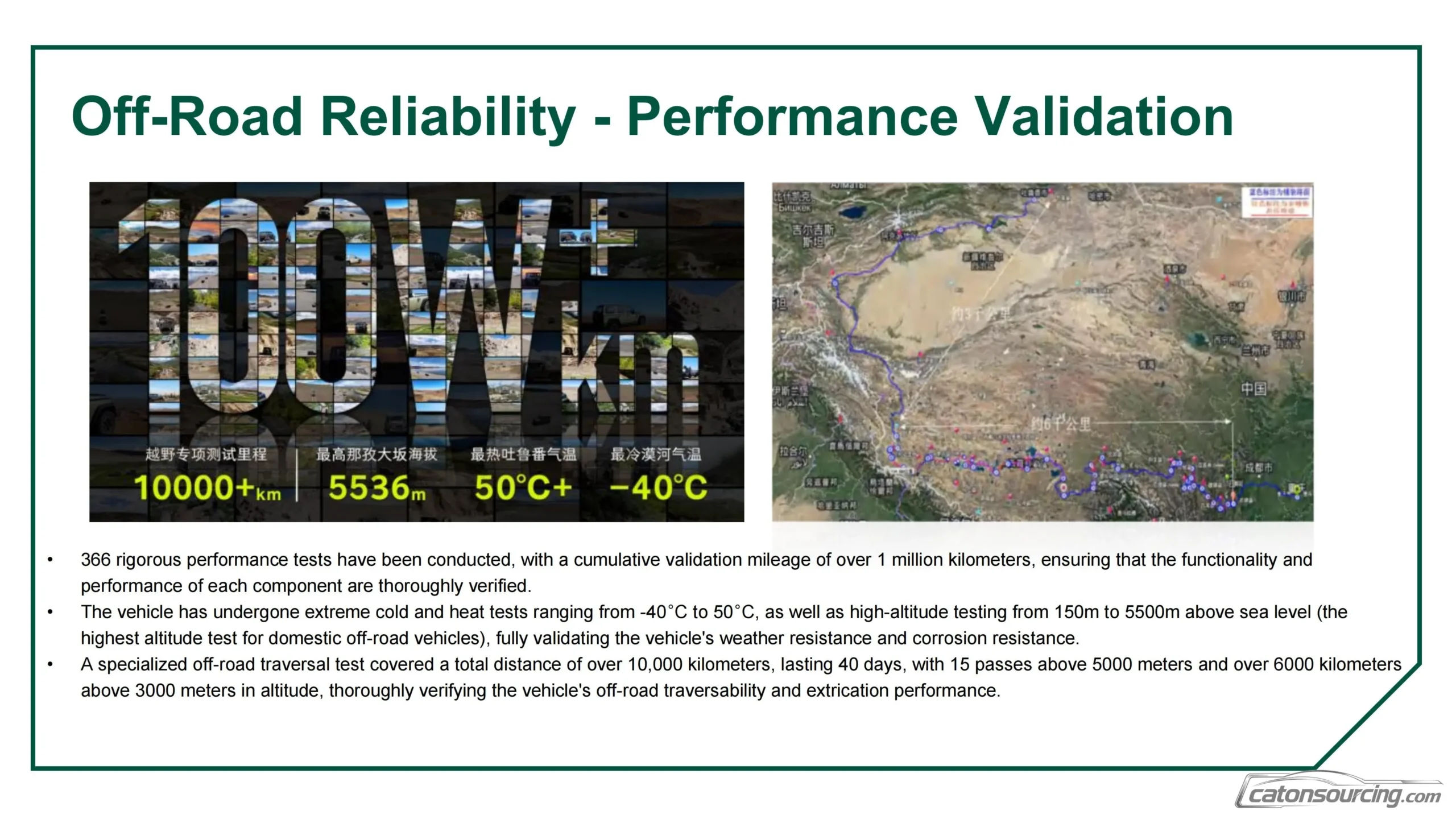
The body incorporates a high-strength steel safety cage structure. The vehicle completed over 1 million kilometers of road testing and 366 specific off-road reliability validation items. The chassis and body are designed to withstand severe torsional loads during off-road use.

On-road ride quality is firmer and less isolated than a crossover or independent-suspension SUV. Road noise from the all-terrain tires is noticeable, and the ride is stiff over broken pavement, which is inherent to the vehicle's construction.

Powertrains

Diesel: 2.0T Turbodiesel

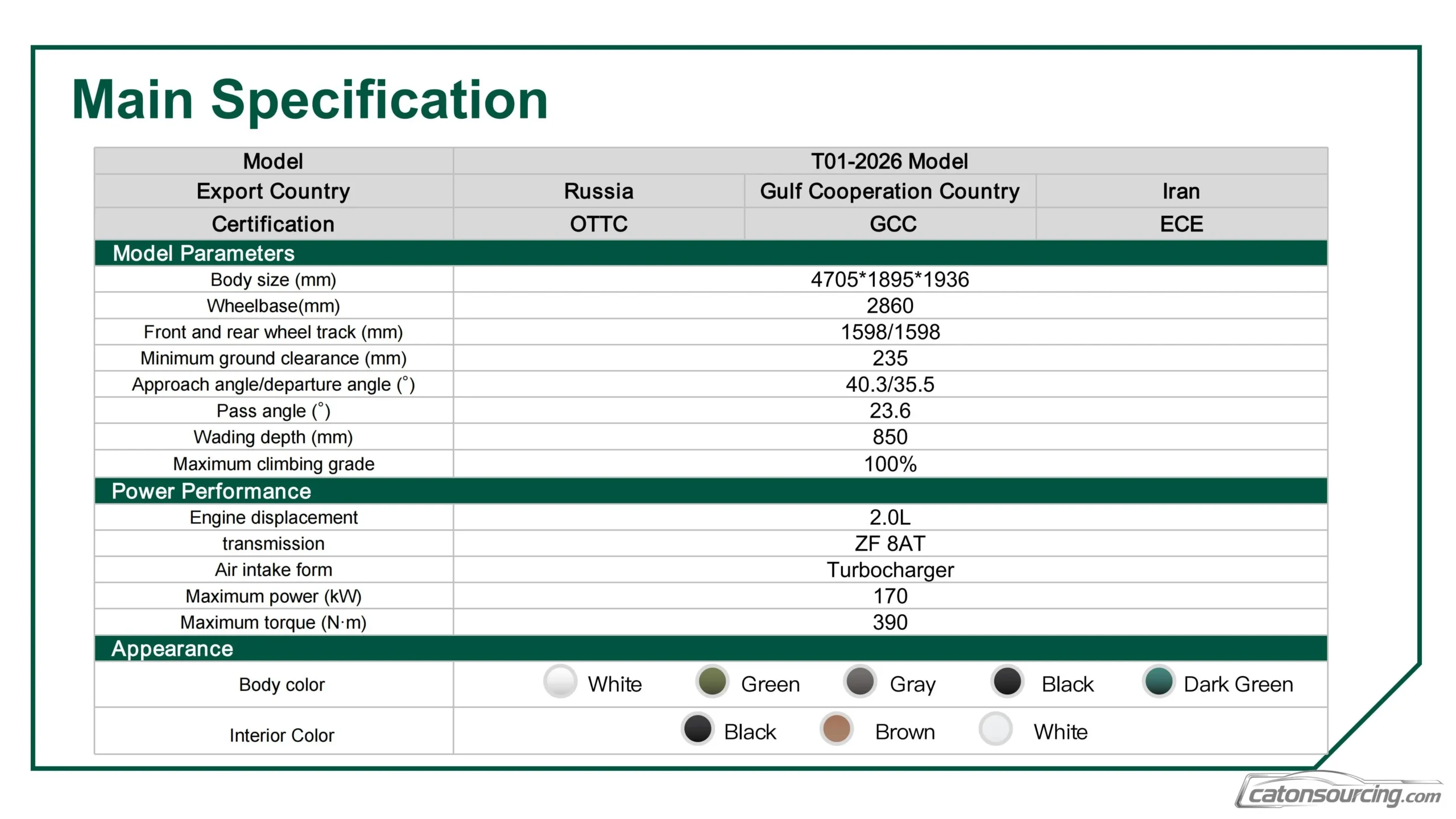
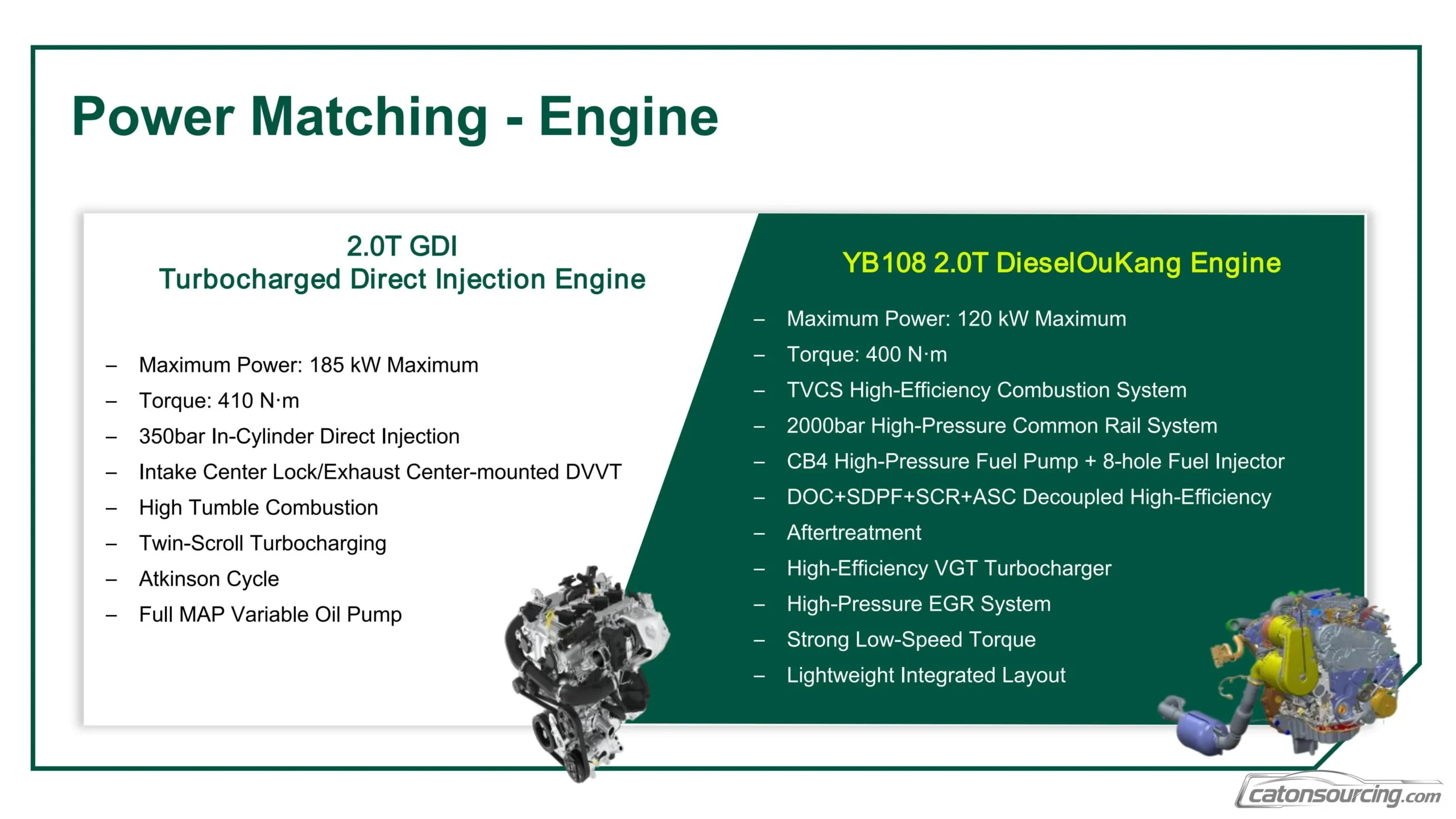
The diesel variant produces 125 kW (170 hp) and 415 N·m of torque from 1,500 rpm. This low-end torque delivery is the diesel's defining characteristic for off-road use. Combined fuel consumption is quoted at 8.5 L/100 km, and with an 80-liter fuel tank, range approaches 1,000 km under favorable conditions.
图片[2]-BAW 212 Off-Road SUV-CatonSourcing.com
图片[3]-BAW 212 Off-Road SUV-CatonSourcing.com

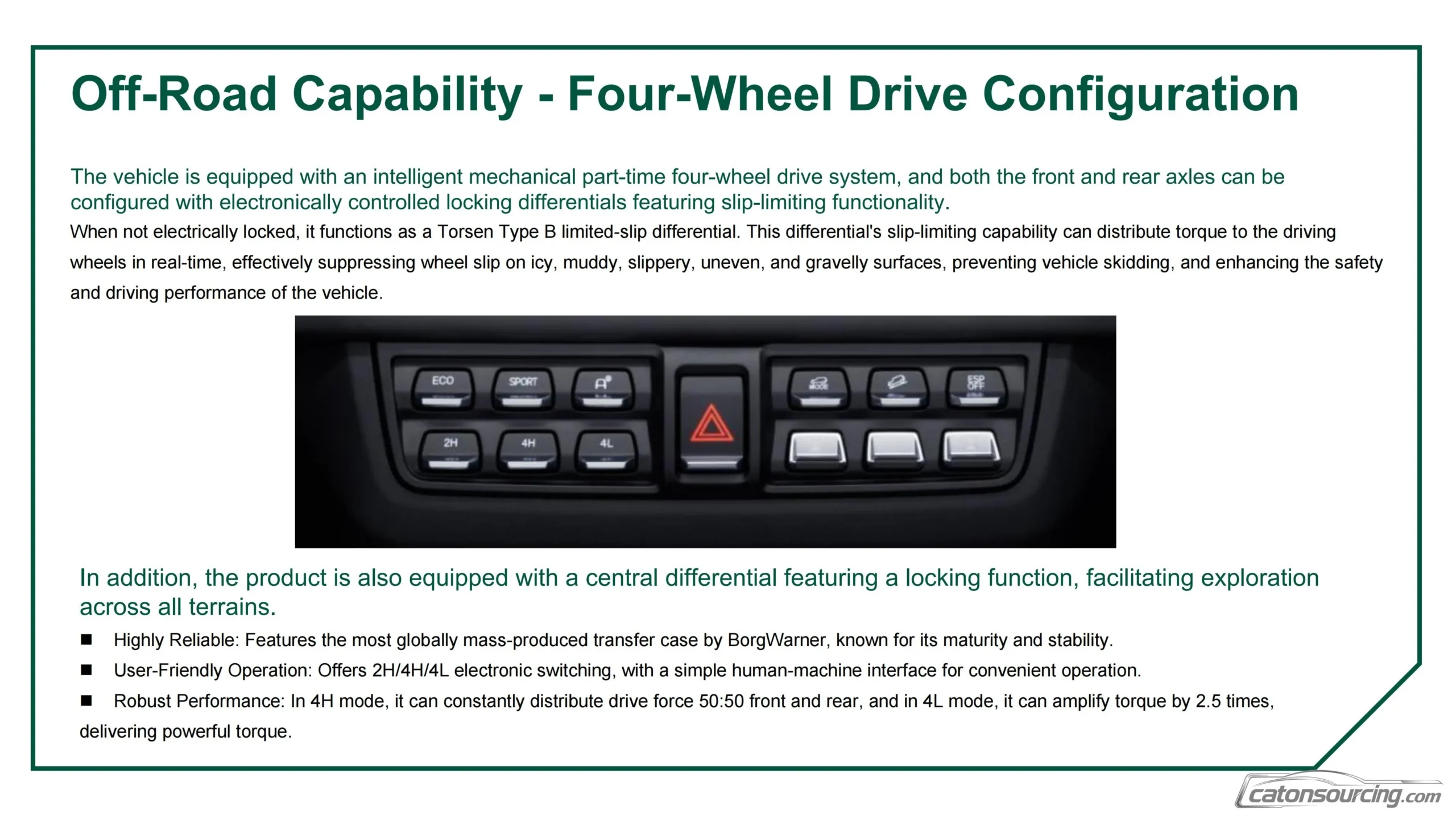
The diesel engine is paired with a ZF 8-speed automatic transmission and a BorgWarner part-time transfer case with a 2.5:1 low-range reduction.

Gasoline: 2.0T Turbocharged Petrol

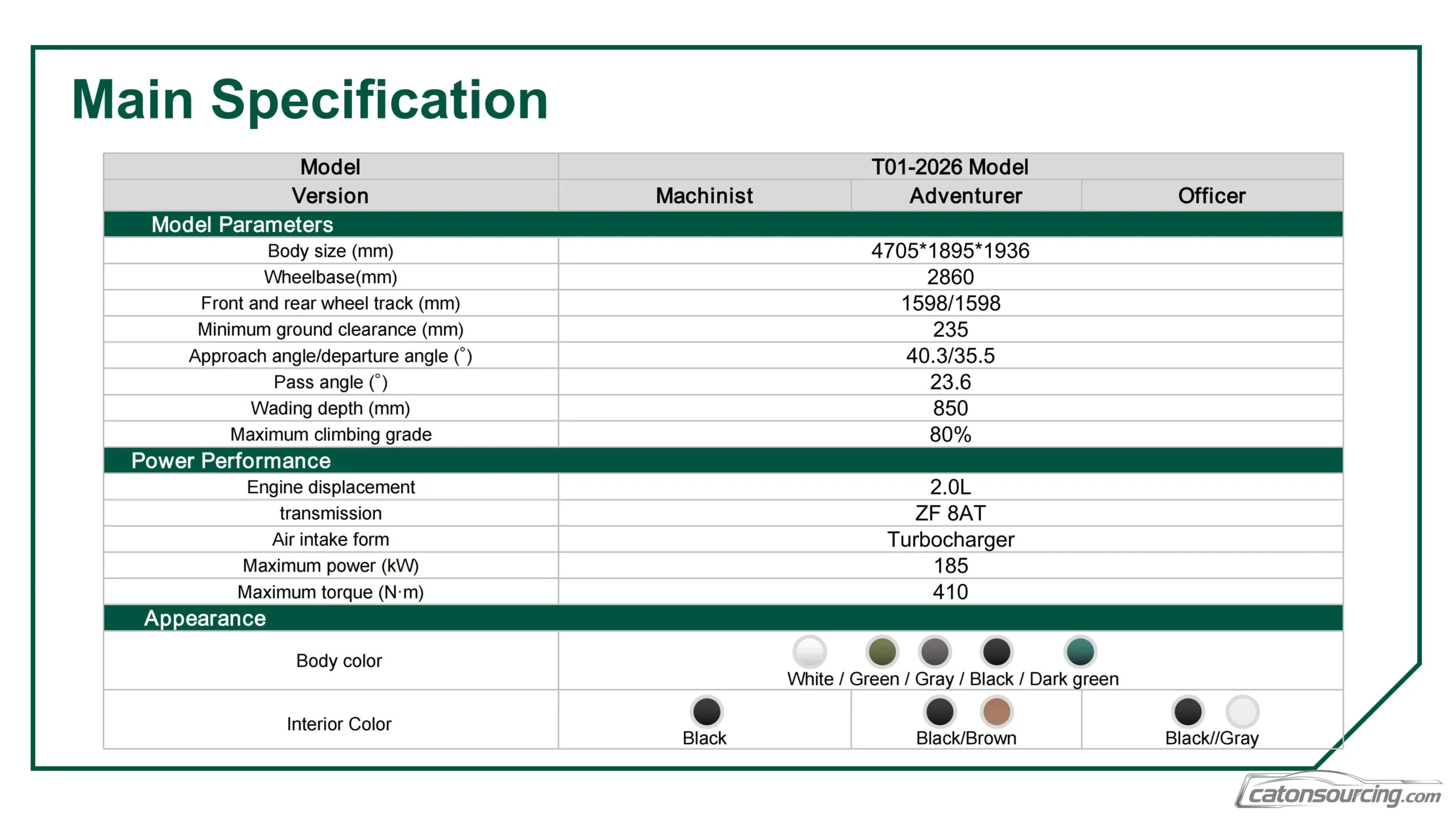
The gasoline variant uses a 2.0T engine producing 185 kW (252 hp) and 410 N·m of torque, also matched to the ZF 8AT. This is the higher-power option, better suited to markets where diesel is less favored or where higher-speed road performance matters more.

Off-Road Capability

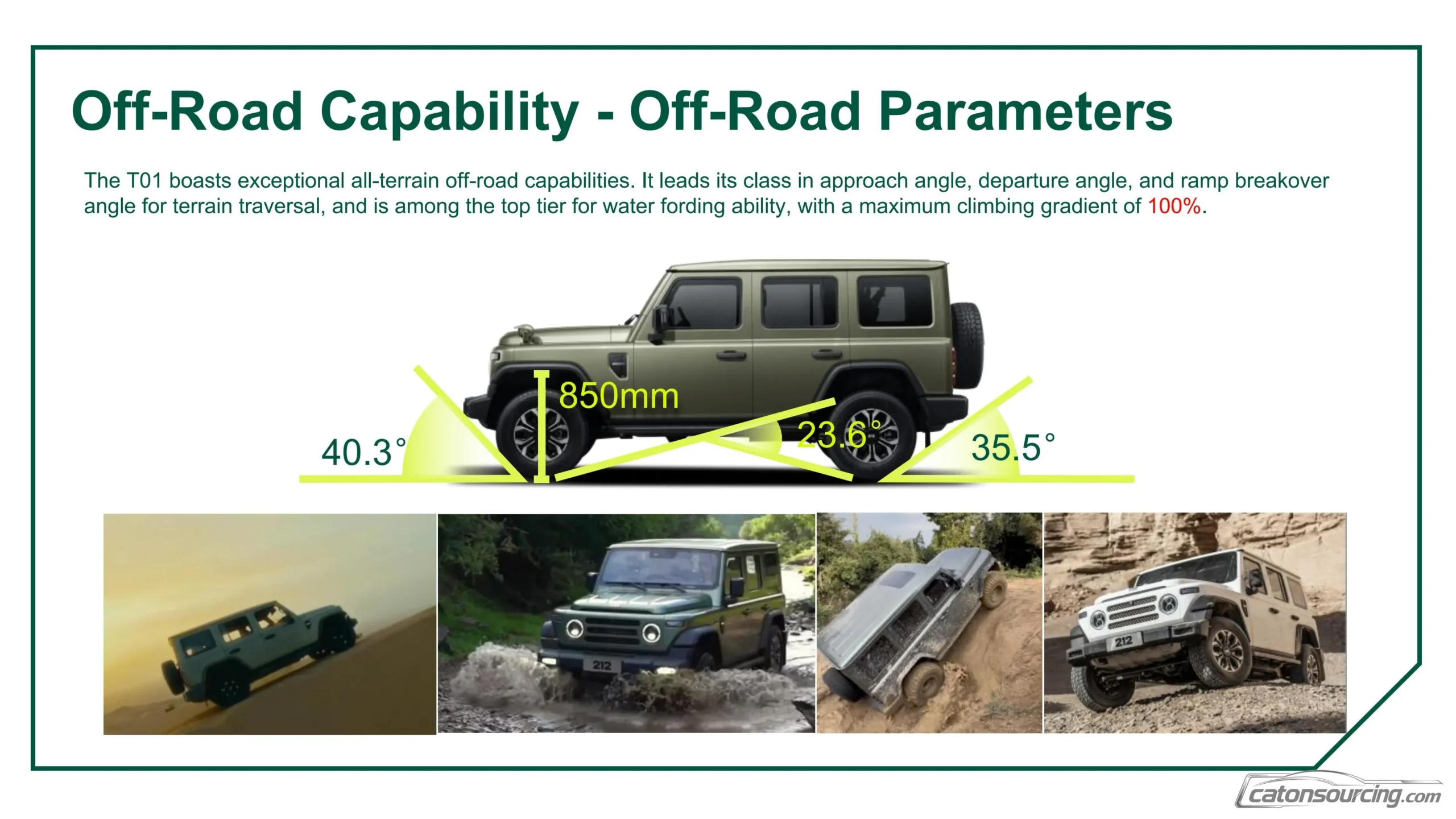
The standard model's terrain figures are:

  • Approach angle: 40°
  • Departure angle: 36°
  • Minimum ground clearance: 235 mm (loaded)
  • Wading depth: 850 mm (standard, without snorkel)

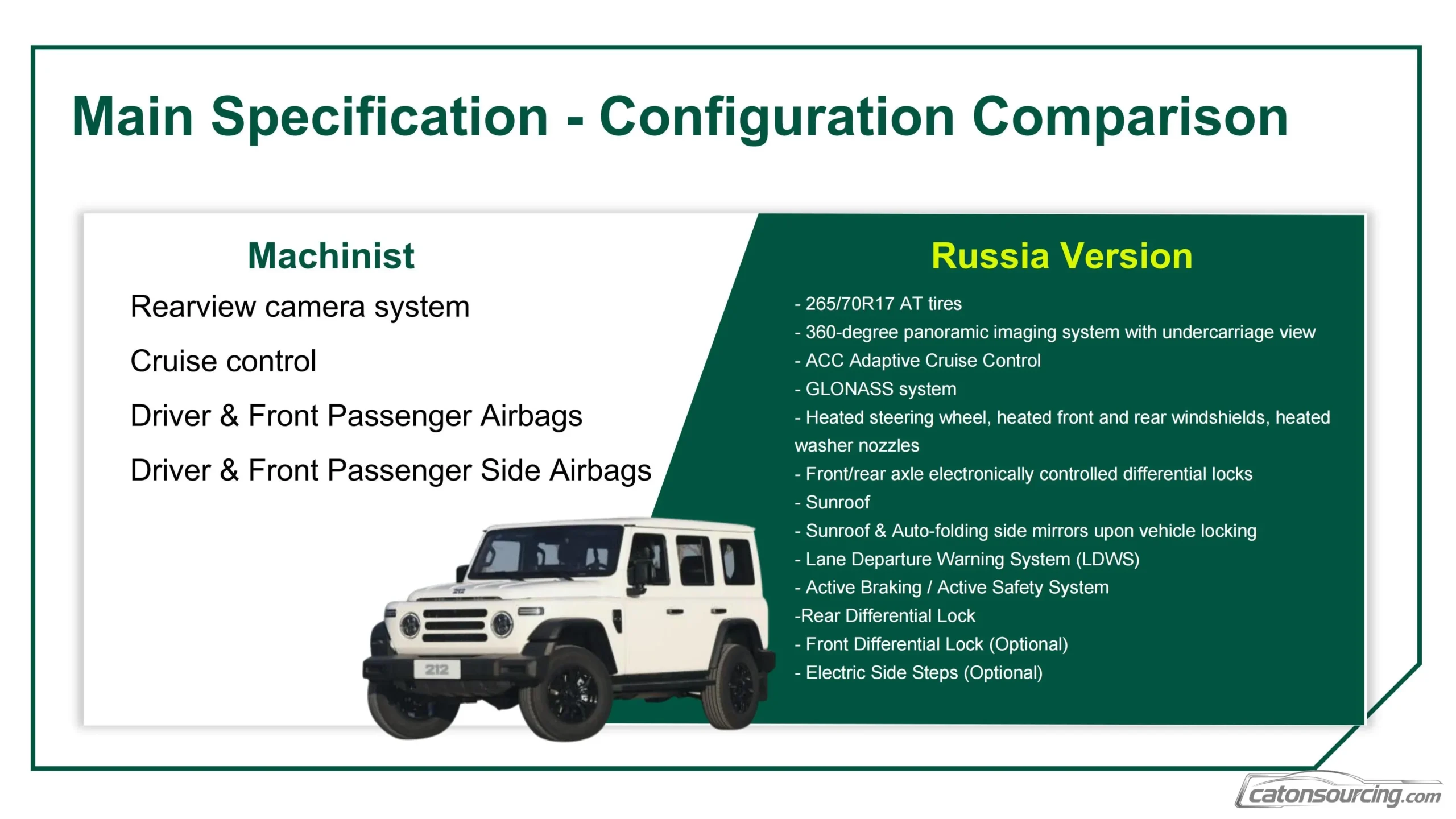
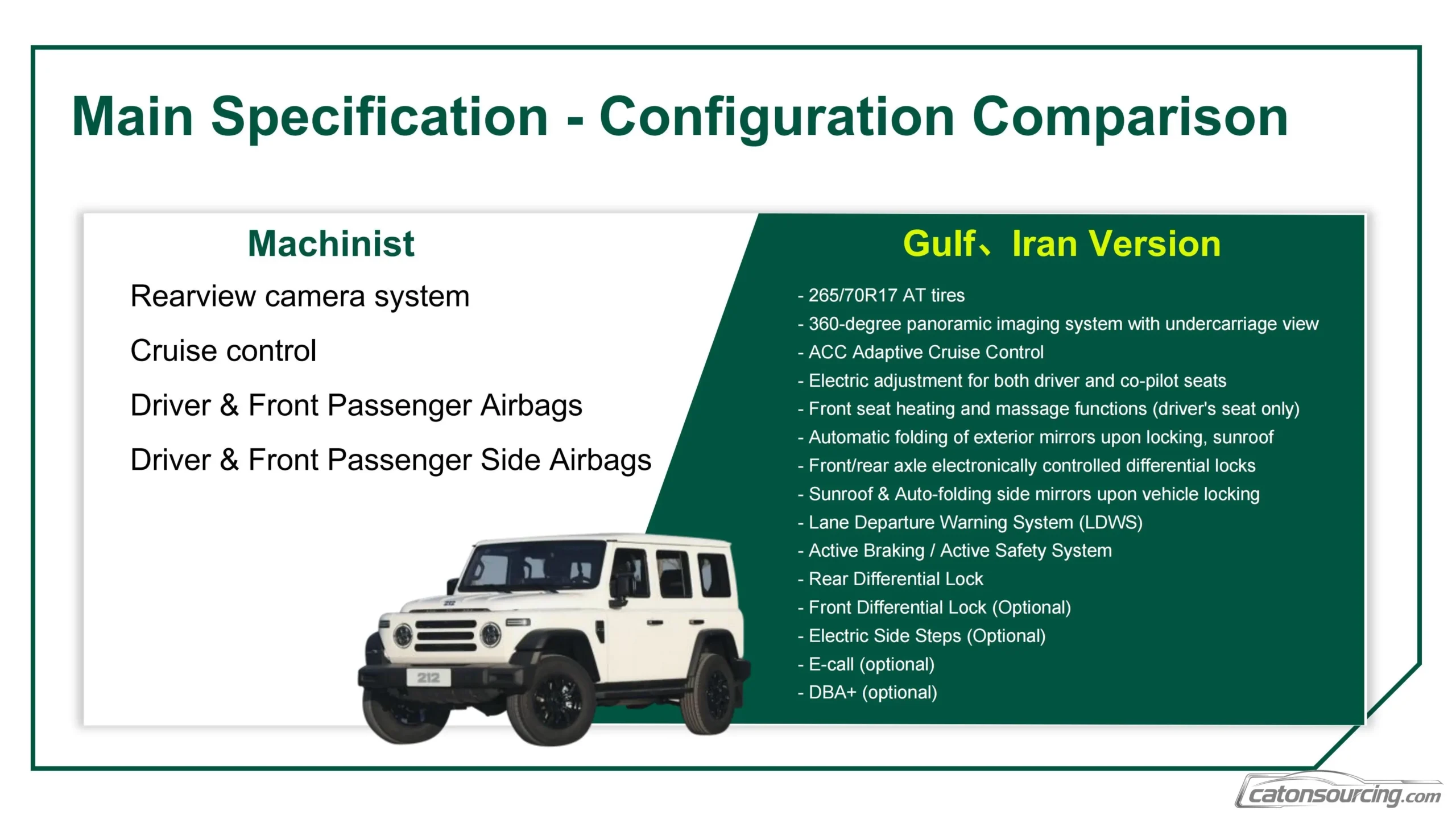
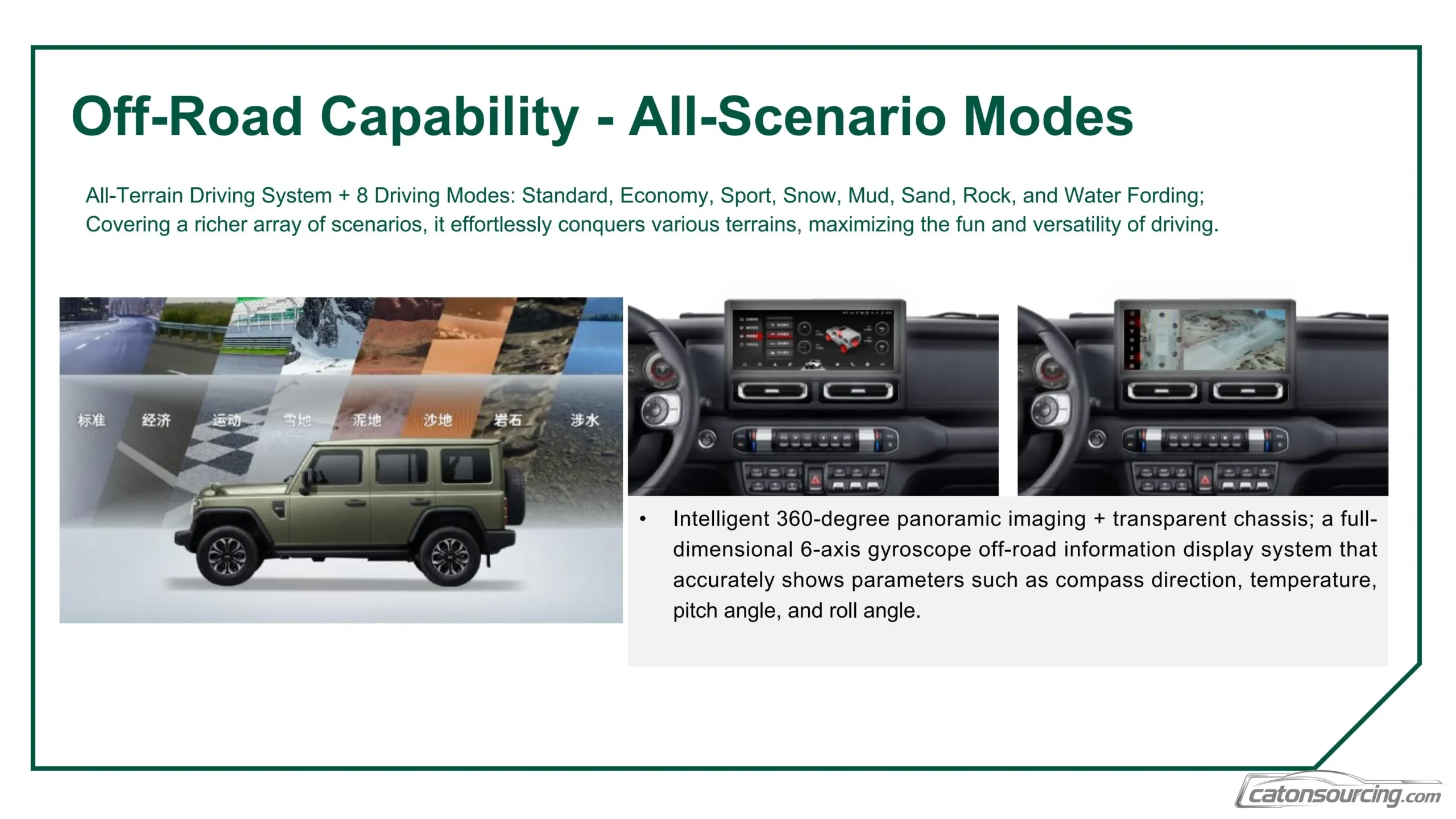
The four-wheel-drive system is a BorgWarner part-time setup with 2H, 4H, and 4L modes. A rear differential lock is standard; a front differential lock is optional, allowing a three-lock configuration when specified. The vehicle also offers Crawl Control and Tank Turn functions, along with multiple terrain modes including Snow, Mud, Sand, and Rock.
Dimensions

ParameterFigure
Length × Width × Height4,705 × 1,895 × 1,936 mm
Wheelbase2,860 mm
Seats5
Fuel tank80 L

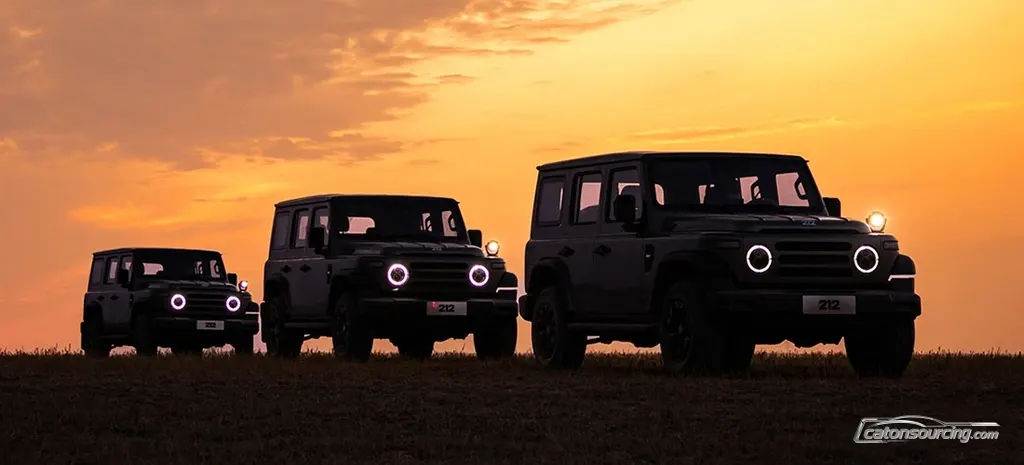
The BAW 212 is slightly shorter and narrower than a Tank 300 but has a longer wheelbase.
图片[5]-BAW 212 Off-Road SUV-CatonSourcing.com

Cabin and Equipment

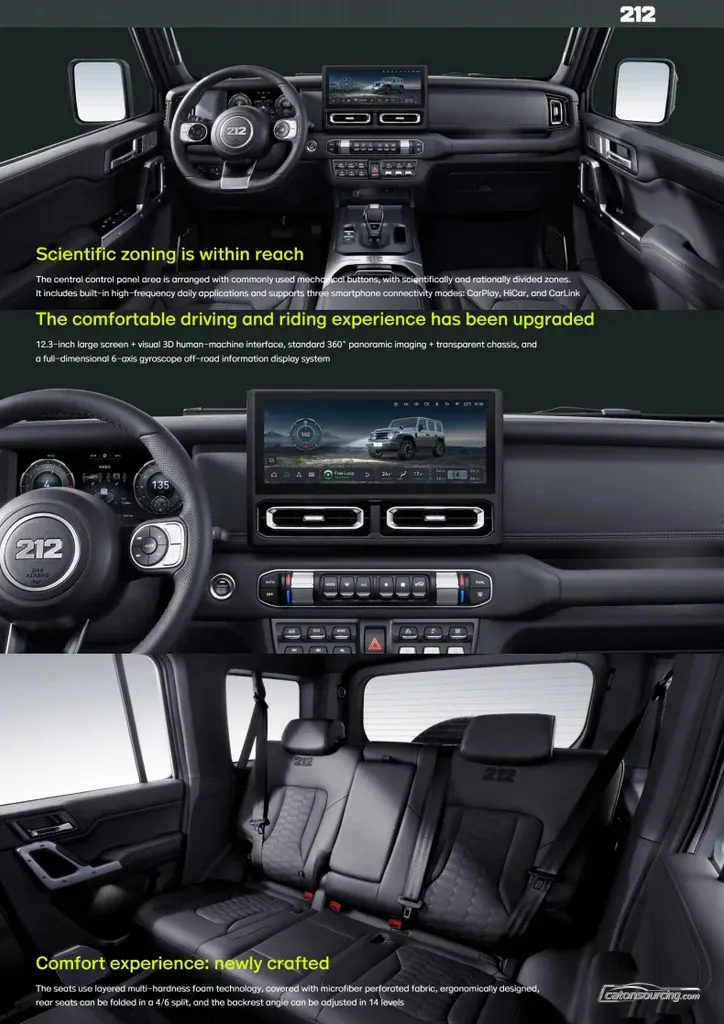
The interior represents a significant modernization over the classic 212. Depending on trim, equipment includes:

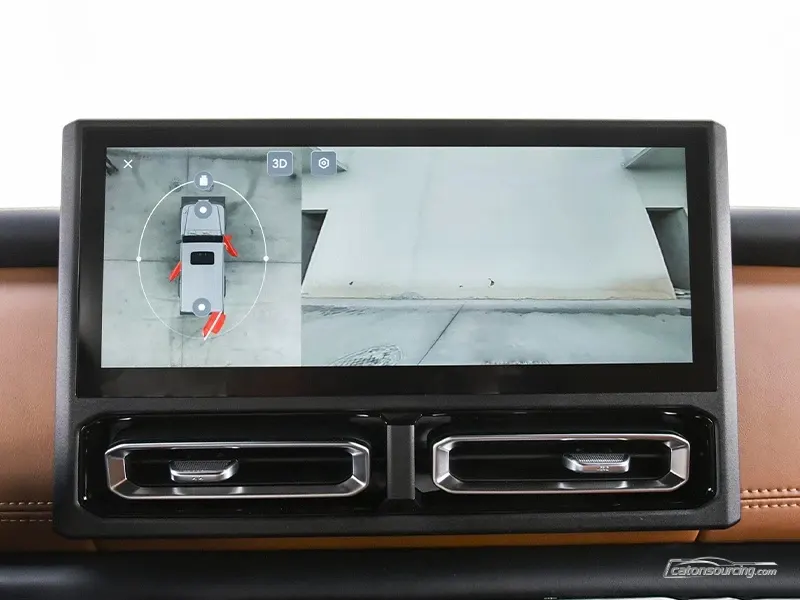
  • 10.25-inch digital instrument cluster and a 12.3-inch central touchscreen with Apple CarPlay, Huawei HiCar, and Carlink support
  • Dual-zone automatic climate control with rear vents
  • Heated and ventilated front seats
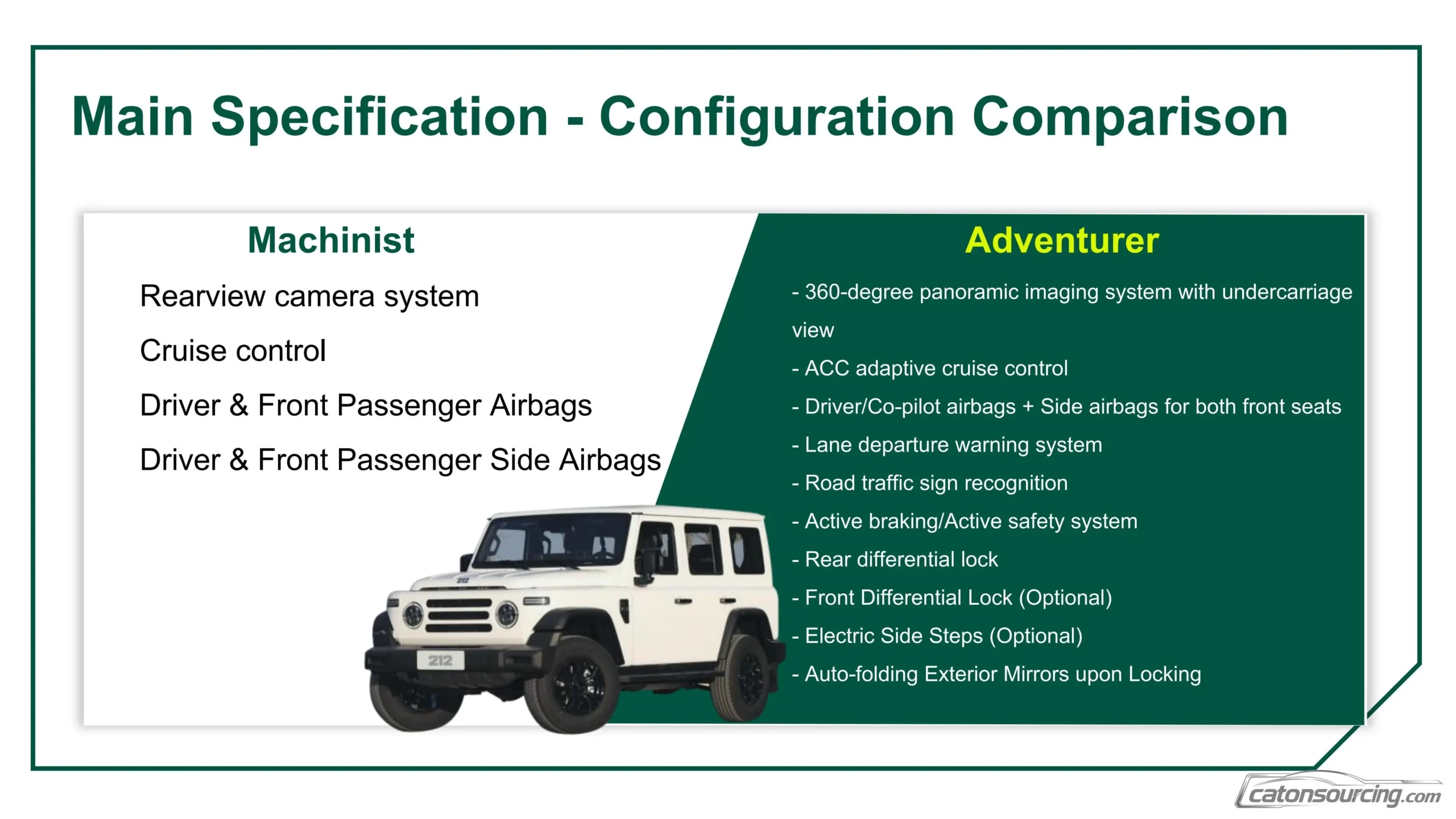
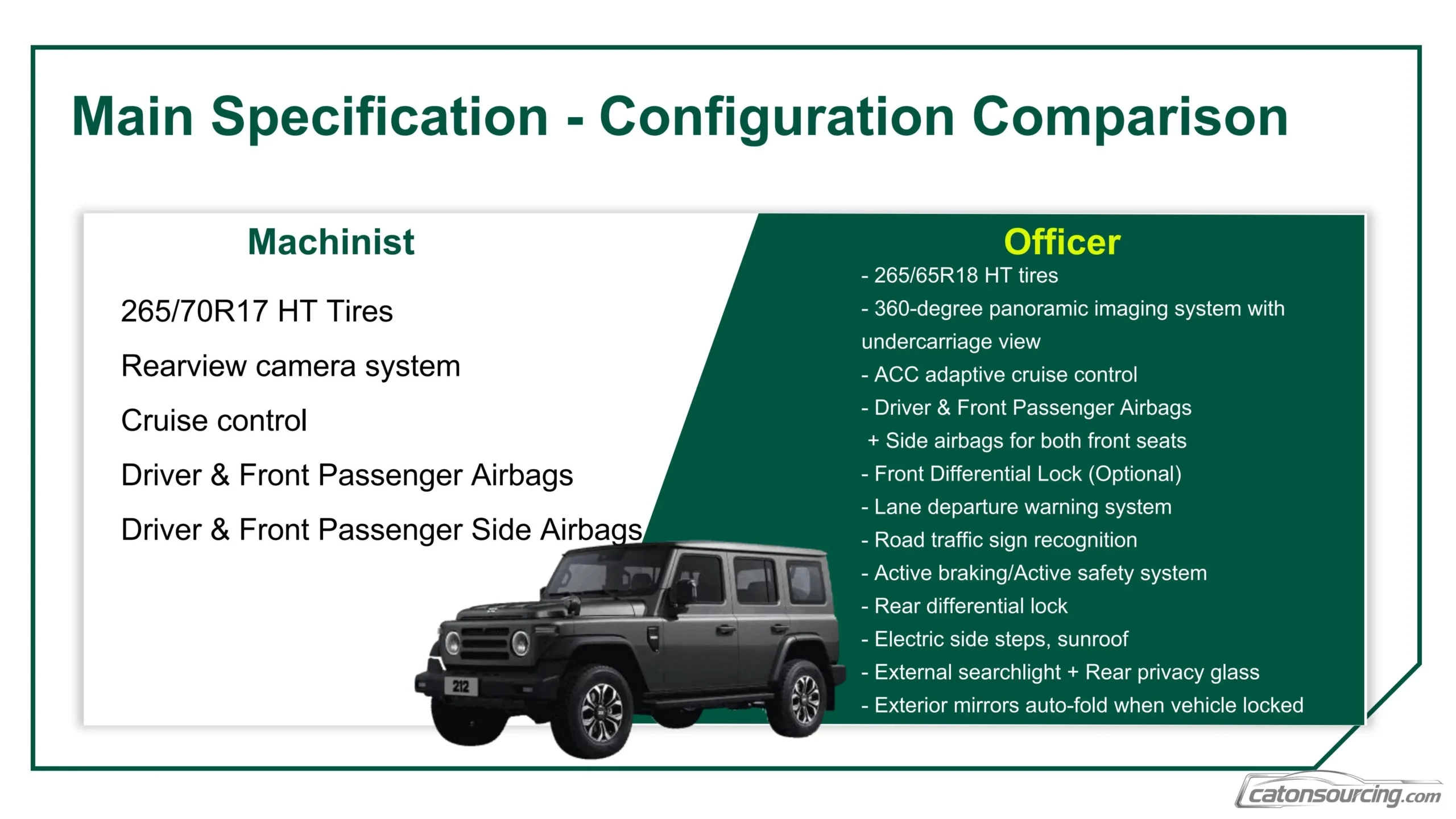
  • 360° surround-view camera
  • Leather upholstery and a leather-wrapped steering wheel
  • 50W wireless charging, market-dependent
  • Physical buttons and toggle switches for off-road functions, deliberately retained for usability in rough conditions

The cabin uses soft-touch materials in key areas, though some switchgear feels utilitarian by design.

Safety

Standard safety equipment includes electronic stability control (Bosch ESP), tire pressure monitoring, and front airbags. Higher trims add the 360° camera system and additional driver assistance features. The body's high-strength steel cage is intended to provide occupant protection in the event of a rollover or collision.

Market Position and Variants

The BAW 212 is positioned against vehicles such as the GWM Tank 300 and the BJ40 in the Chinese domestic market, with a starting price around RMB 149,900 for the 2026 model year. Monthly sales have settled in the 1,000–2,000 unit range domestically.

For export markets, the vehicle is offered in standard form and in expedition-oriented variants. The Russian-market Gaodi adds a snorkel, expedition roof rack, underbody protection, and a tool box, with a 910 mm wading depth and 251 mm ground clearance as a result of those modifications. The German-market version, imported by Indimo, includes a factory winch and a hood-mounted searchlight as standard equipment.
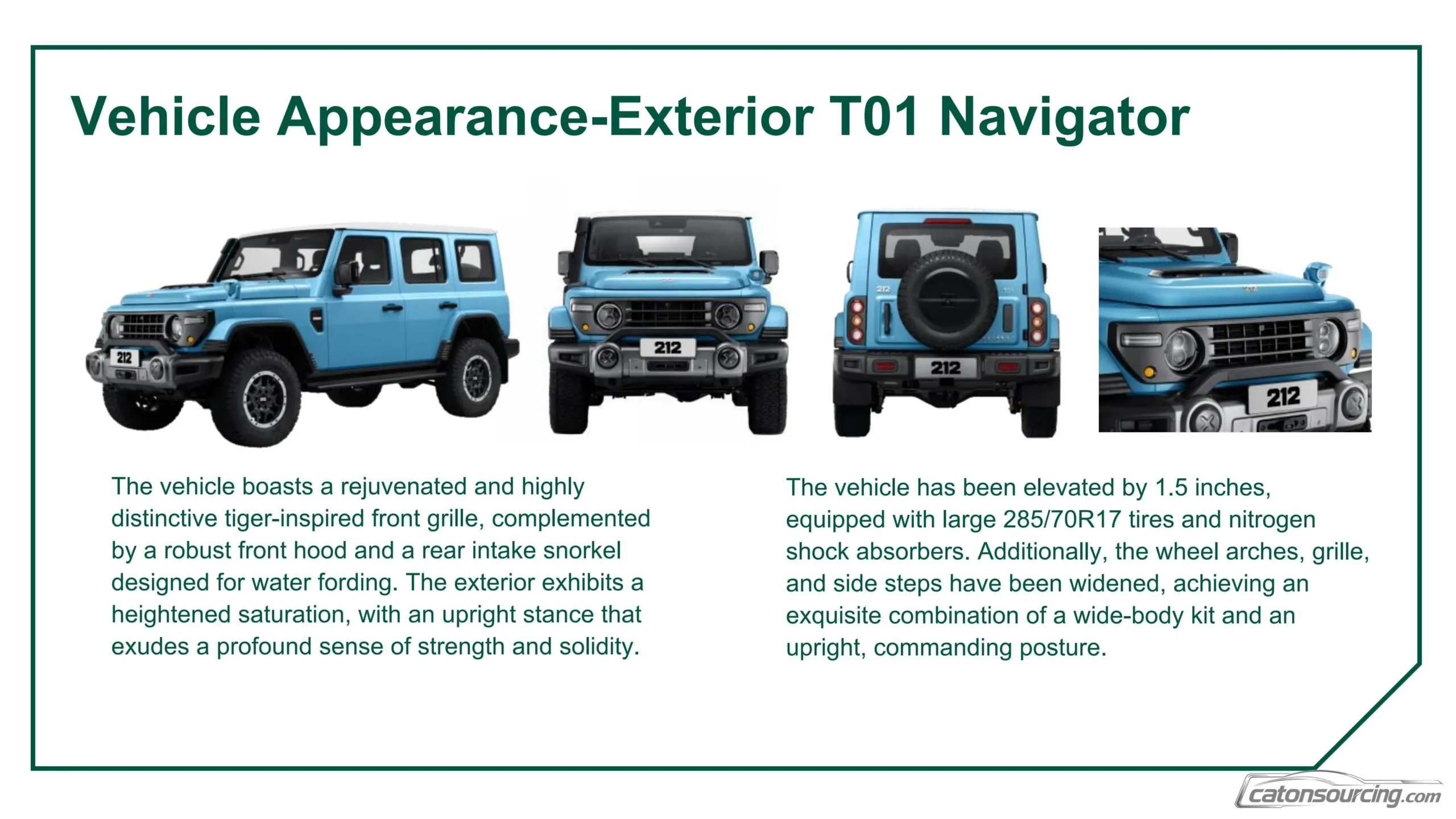
212-T01-1 212-T01-2 212-T01-3 212-T01-4 212-T01-5 212-T01-6 212-T01-7 212-T01-8 212-T01-9 212-T01-10 212-T01-11 212-T01-12 212-T01-13 212-T01-14 212-T01-15 212-T01-16 212-T01-17 212-T01-18 212-T01-19 212-T01-20
最后修改日期:2026-11-12 13:16:51
BAW Company Intro-1 BAW Company Intro-2 BAW Company Intro-3 BAW Company Intro-4 BAW Company Intro-5 BAW Company Intro-6 BAW Company Intro-7 BAW Company Intro-8

暂无资料数据

AI
AI
Caton · Efontech ● Online
AI
👋 hi Im Caton

The BAW 212 is a body-on-frame, solid-axle off-road SUV that traces its lineage to the BJ212 military vehicle introduced in 1965. The modern model was launched in 2024 on a dedicated platform, repositioning the nameplate as a rugged but livable 4×4 for both extreme terrain and daily use. It is produced by Beijing Automobile Works (BAW).

The vehicle combines a ladder-frame chassis, front and rear rigid axles, part-time four-wheel drive with low range, and modern powertrains including a 2.0T diesel and a 2.0T gasoline engine, both mated to a ZF 8-speed automatic transmission.

Chassis and Body Construction

The BAW 212 uses a non-load-bearing ladder-frame chassis with front and rear solid axles. The front suspension is a five-link coil-spring rigid axle setup; the rear is also a rigid axle with coil springs. This architecture prioritizes axle articulation, durability under impact, and modification potential over outright road comfort.

The body incorporates a high-strength steel safety cage structure. The vehicle completed over 1 million kilometers of road testing and 366 specific off-road reliability validation items. The chassis and body are designed to withstand severe torsional loads during off-road use.

On-road ride quality is firmer and less isolated than a crossover or independent-suspension SUV. Road noise from the all-terrain tires is noticeable, and the ride is stiff over broken pavement, which is inherent to the vehicle's construction.

Powertrains

Diesel: 2.0T Turbodiesel

The diesel variant produces 125 kW (170 hp) and 415 N·m of torque from 1,500 rpm. This low-end torque delivery is the diesel's defining characteristic for off-road use. Combined fuel consumption is quoted at 8.5 L/100 km, and with an 80-liter fuel tank, range approaches 1,000 km under favorable conditions.

The diesel engine is paired with a ZF 8-speed automatic transmission and a BorgWarner part-time transfer case with a 2.5:1 low-range reduction.

Gasoline: 2.0T Turbocharged Petrol

The gasoline variant uses a 2.0T engine producing 185 kW (252 hp) and 410 N·m of torque, also matched to the ZF 8AT. This is the higher-power option, better suited to markets where diesel is less favored or where higher-speed road performance matters more.

Off-Road Capability

The standard model's terrain figures are:

The four-wheel-drive system is a BorgWarner part-time setup with 2H, 4H, and 4L modes. A rear differential lock is standard; a front differential lock is optional, allowing a three-lock configuration when specified. The vehicle also offers Crawl Control and Tank Turn functions, along with multiple terrain modes including Snow, Mud, Sand, and Rock.

Dimensions

Parameter Figure
Length × Width × Height 4,705 × 1,895 × 1,936 mm
Wheelbase 2,860 mm
Seats 5
Fuel tank 80 L

The BAW 212 is slightly shorter and narrower than a Tank 300 but has a longer wheelbase.

Cabin and Equipment

The interior represents a significant modernization over the classic 212. Depending on trim, equipment includes:

  • 10.25-inch digital instrument cluster and a 12.3-inch central touchscreen with Apple CarPlay, Huawei HiCar, and Carlink support
  • Dual-zone automatic climate control with rear vents
  • Heated and ventilated front seats
  • 360° surround-view camera
  • Leather upholstery and a leather-wrapped steering wheel
  • 50W wireless charging, market-dependent
  • Physical buttons and toggle switches for off-road functions, deliberately retained for usability in rough conditions

The cabin uses soft-touch materials in key areas, though some switchgear feels utilitarian by design.

Safety

Standard safety equipment includes electronic stability control (Bosch ESP), tire pressure monitoring, and front airbags. Higher trims add the 360° camera system and additional driver assistance features. The body's high-strength steel cage is intended to provide occupant protection in the event of a rollover or collision.

Market Position and Variants

The BAW 212 is positioned against vehicles such as the GWM Tank 300 and the BJ40 in the Chinese domestic market, with a starting price around RMB 149,900 for the 2026 model year. Monthly sales have settled in the 1,000–2,000 unit range domestically.

For export markets, the vehicle is offered in standard form and in expedition-oriented variants. The Russian-market Gaodi adds a snorkel, expedition roof rack, underbody protection, and a tool box, with a 910 mm wading depth and 251 mm ground clearance as a result of those modifications. The German-market version, imported by Indimo, includes a factory winch and a hood-mounted searchlight as standard equipment.
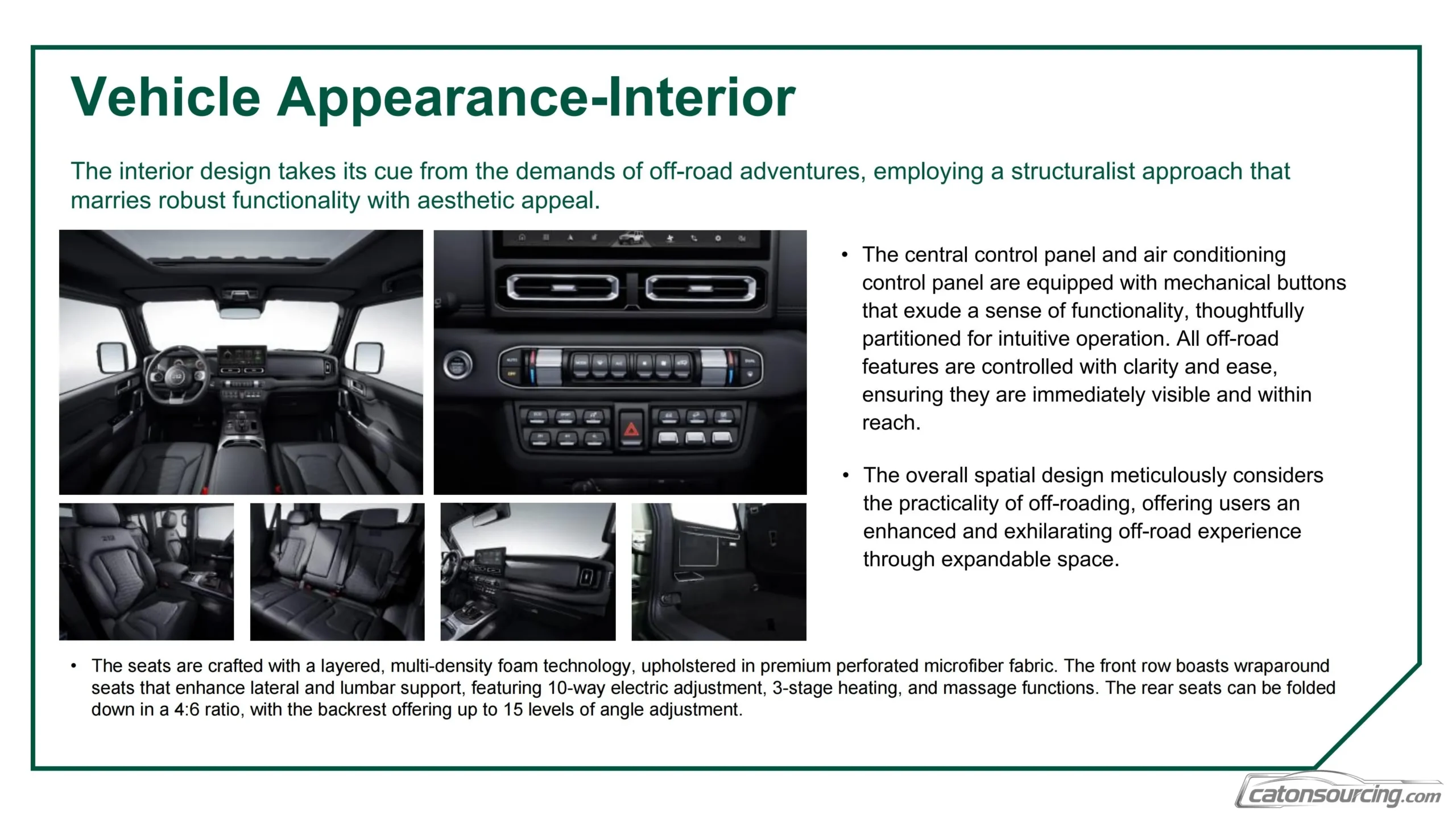
212-T01-1
212-T01-2
212-T01-3
212-T01-4
212-T01-5
212-T01-6
212-T01-7
212-T01-8
212-T01-9
212-T01-10
212-T01-11
212-T01-12
212-T01-13
212-T01-14
212-T01-15
212-T01-16
212-T01-17
212-T01-18
212-T01-19
212-T01-20