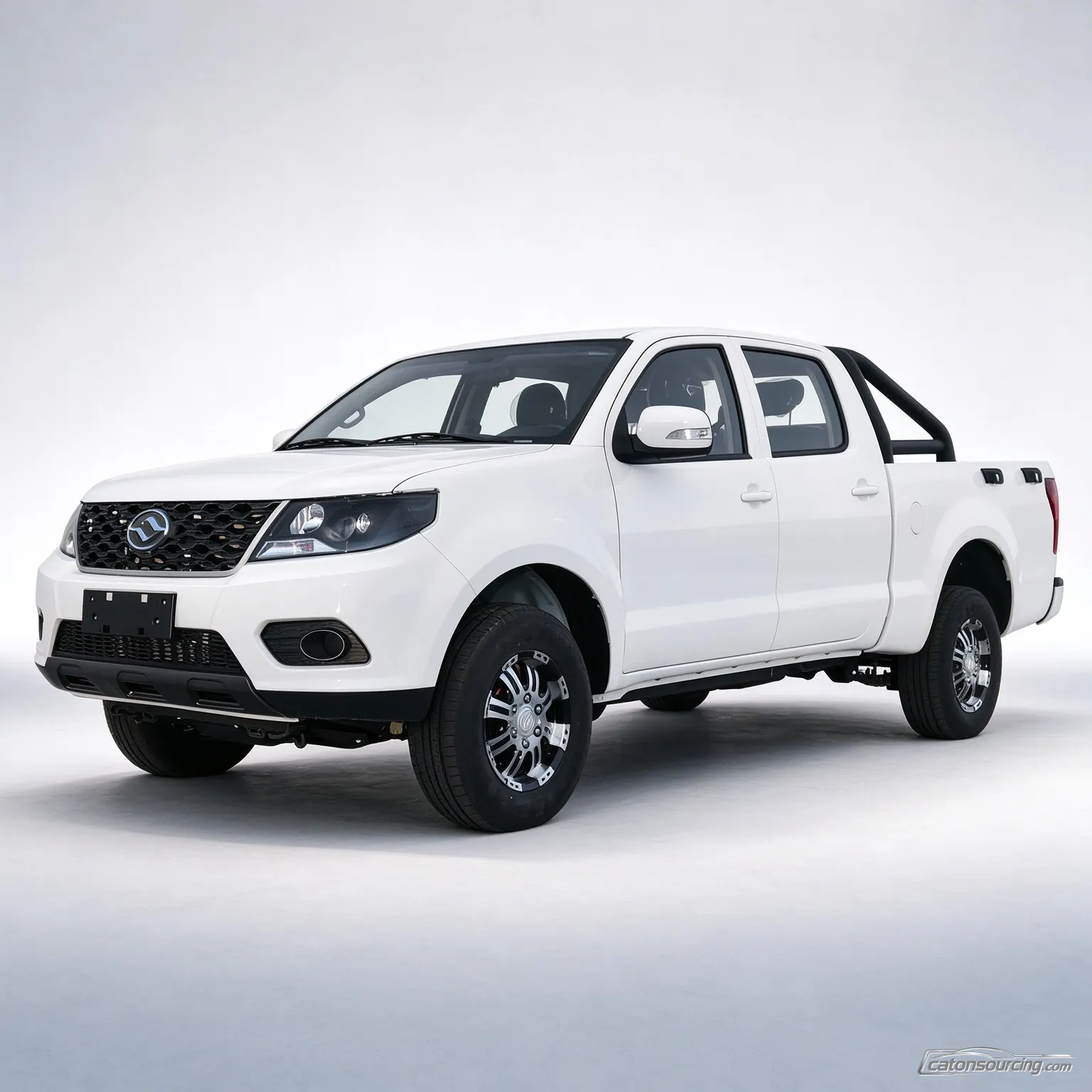
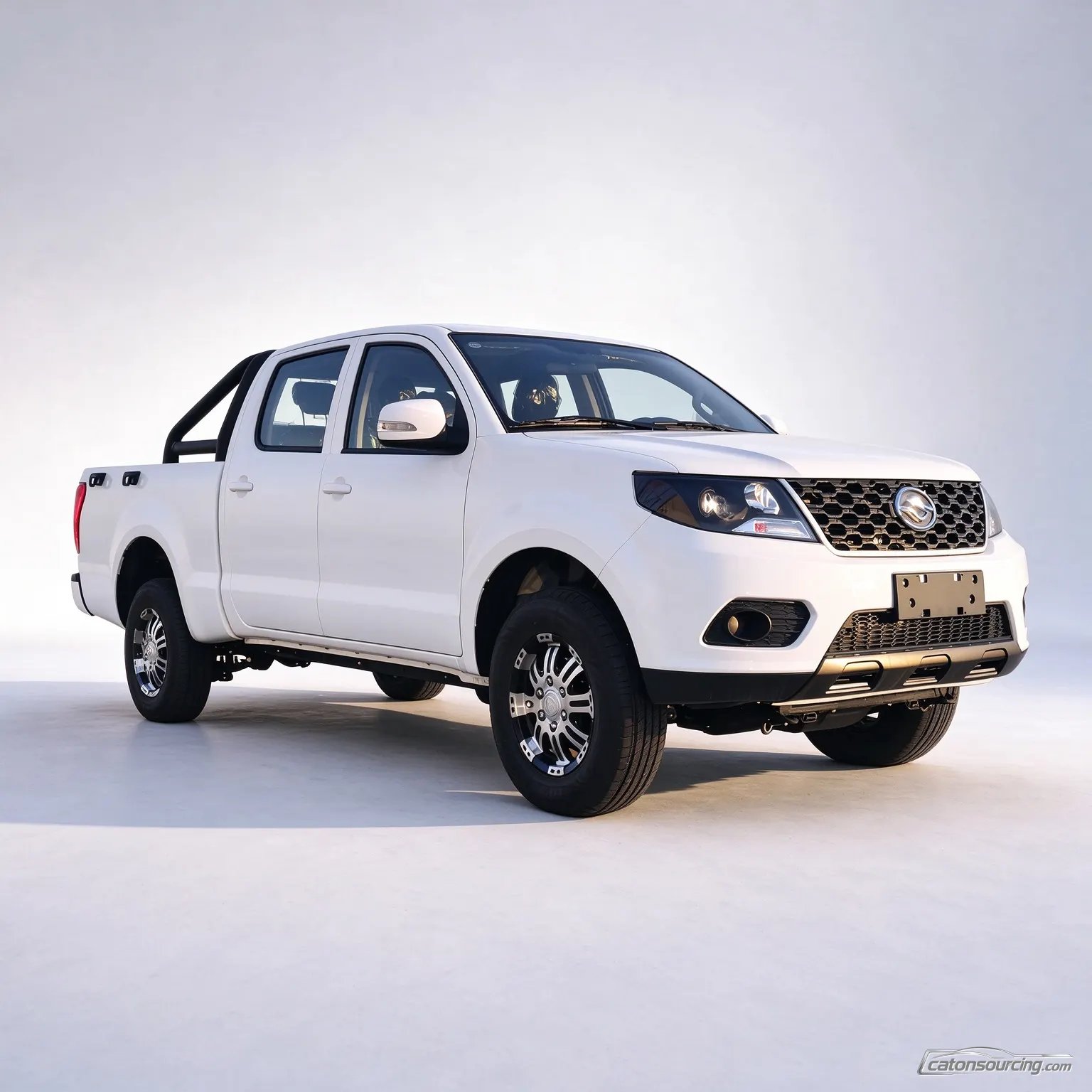
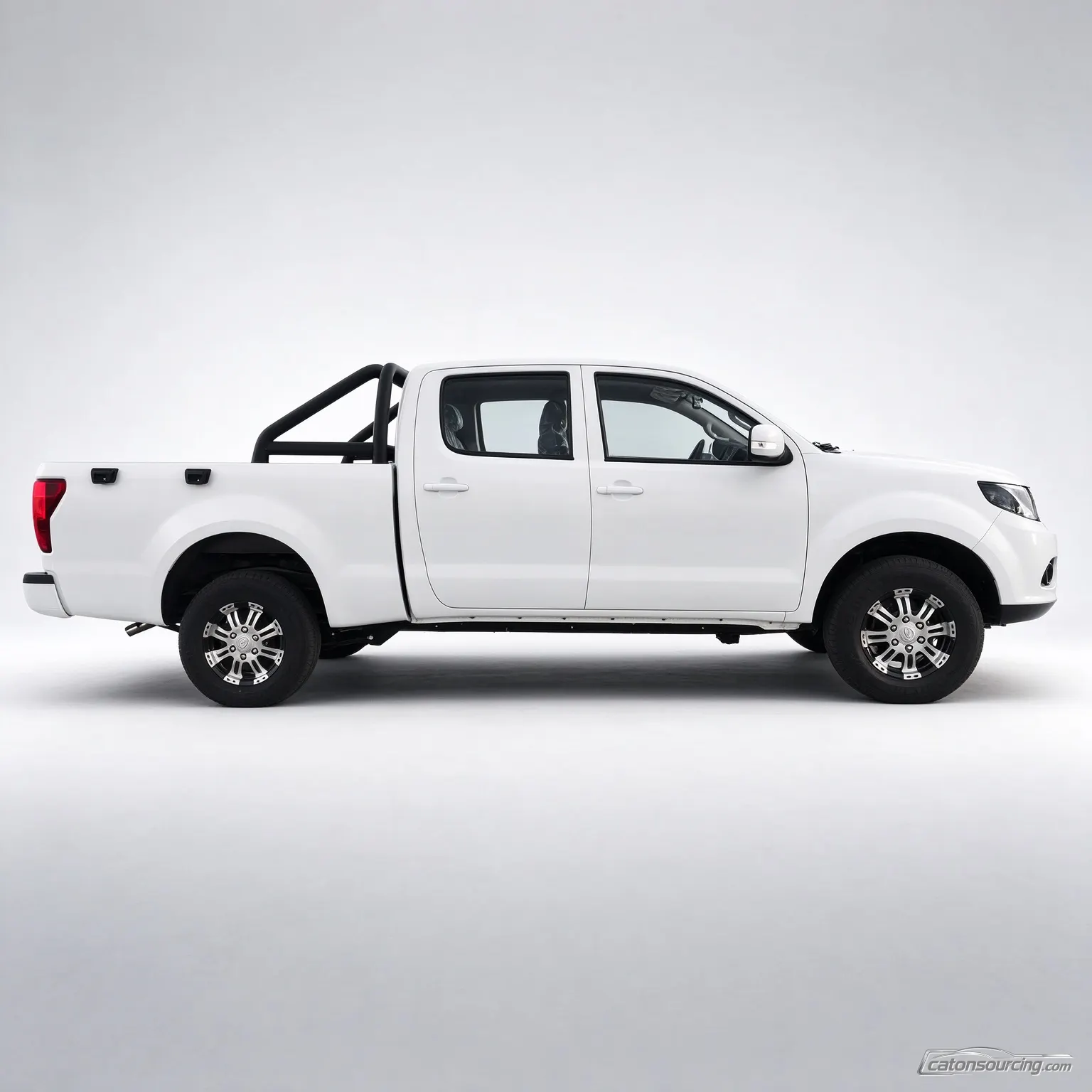
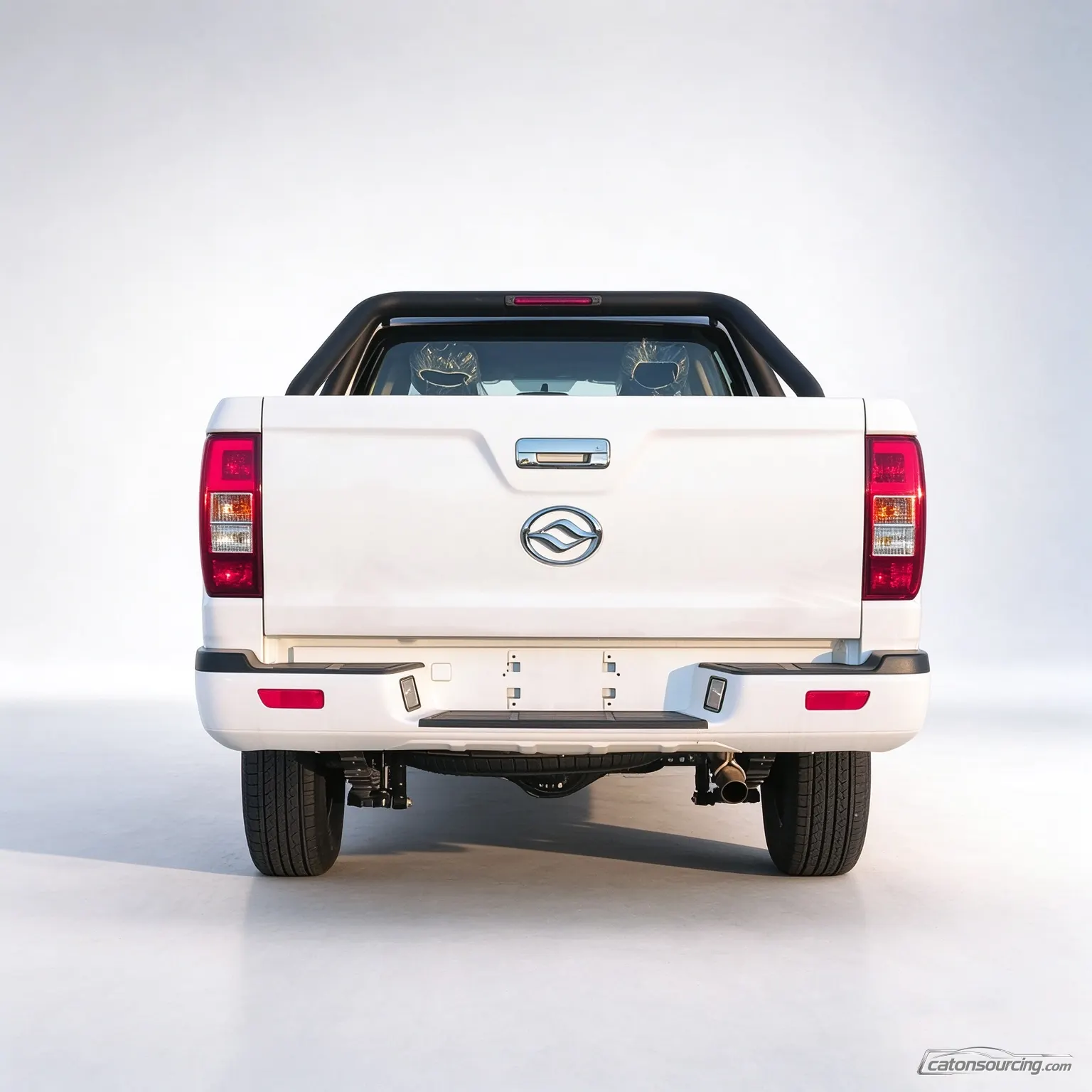
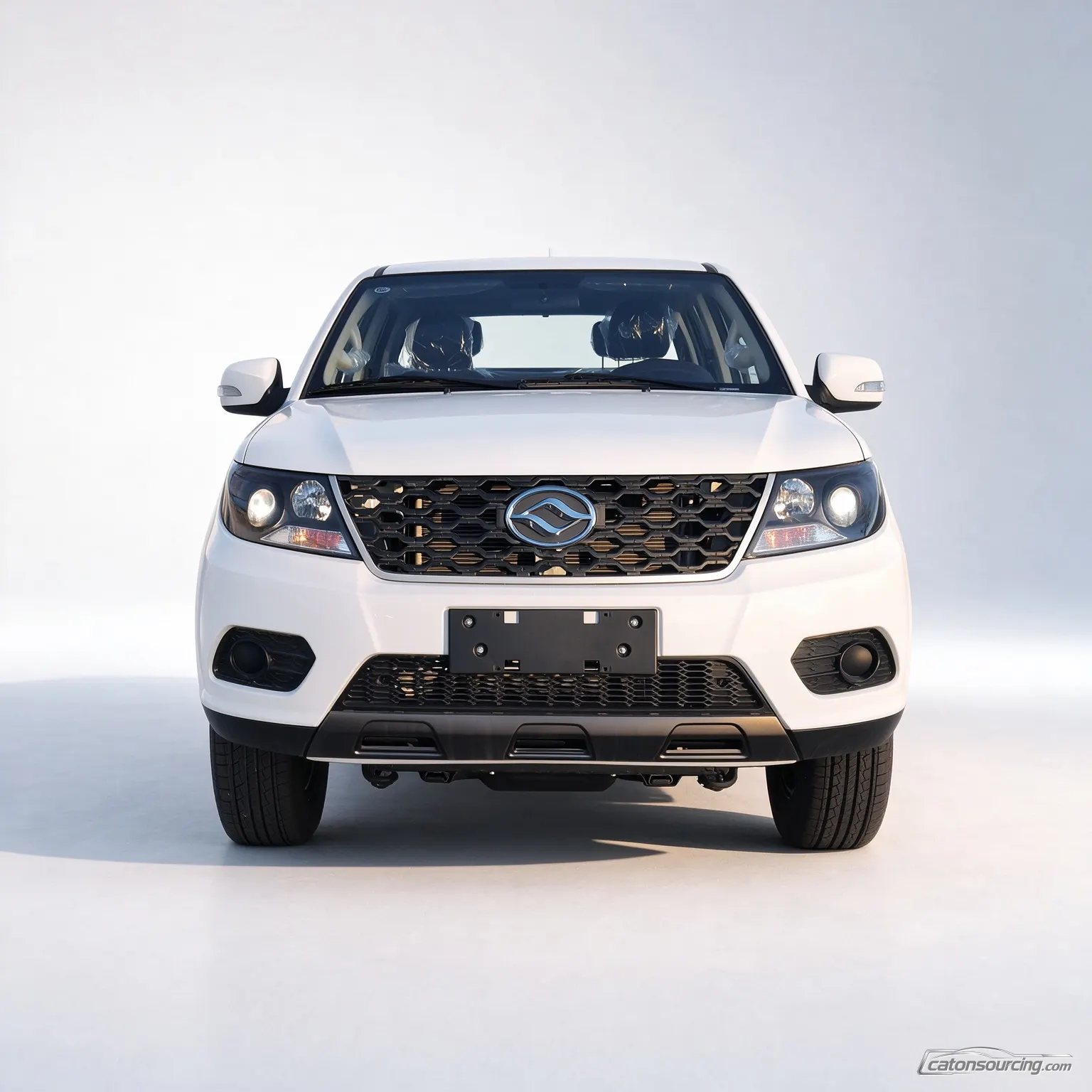
The Huanghai N1 is a mid-size pickup truck produced by SG Automotive under its Huanghai Auto marque. First unveiled at the 2014 Beijing Auto Show and launched in the Chinese market shortly thereafter, the N1 was conceived as a multi-purpose light-duty truck that sought to bridge the gap between utilitarian work vehicles and the more refined, passenger-car-derived pickups emerging in the domestic market. It represents a deliberate move by Huanghai to align its product line with international pickup design trends while retaining the rugged, load-bearing characteristics demanded by commercial users.
Design Philosophy and Positioning
Huanghai developed the N1 in collaboration with an international design firm, positioning it as an independently developed, all-new platform product. The vehicle was marketed around four core attributes: commendable trafficability, high safety standards, superior comfort, and strong load-bearing capacity. Rather than purely imitating either American full-size trucks or Japanese compact pickups, Huanghai aimed to synthesize the strengths of both schools, combining the chassis robustness and presence associated with Western designs with the interior ergonomics and everyday usability characteristic of Japanese offerings. This positioning marked the N1 as part of a broader transition within the Chinese pickup segment toward higher quality and greater refinement.
Chassis and Structural Engineering
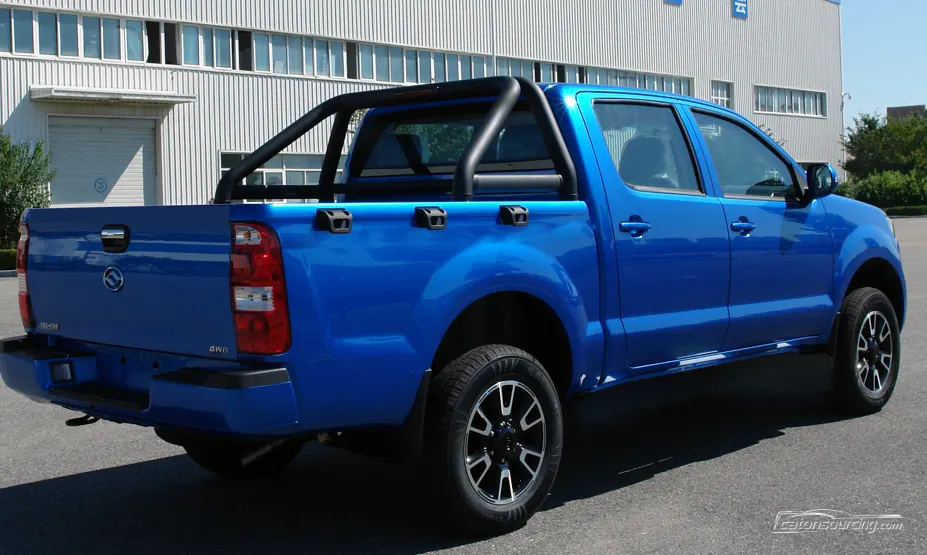
At the heart of the N1's design is a traditional body-on-frame construction utilizing a ladder chassis. The frame employs one-piece punch-formed side members paired with seven reinforced cross members. The side members feature a vertical section peak value of 142 and a cross-section peak value of 130, with steel plate thickness of 2.5 mm. This specification yields considerable resistance to bending and torsional forces, enabling the vehicle to traverse uneven terrain without subjecting the frame to deformation or structural damage. The suspension layout pairs an independent front configuration, initially a MacPherson strut design in earlier iterations and later refined to a double-wishbone arrangement, with a leaf-spring rear axle. This combination is a deliberate compromise: the front independent suspension enhances steering precision and ride comfort on paved surfaces, while the rear leaf springs provide the load-bearing rigidity expected of a working pickup.
Powertrain Evolution
The N1's powertrain offerings evolved significantly over its production life, reflecting both regulatory changes and market feedback. Early models were powered by a Mitsubishi-derived 4G69S4N 2.4-liter inline-four gasoline engine, producing approximately 105 kW and 200 to 205 N·m of torque, paired exclusively with a five-speed manual transmission. A diesel option was also available, drawing from Isuzu's engine family, initially a 2.7-liter unit producing 75 kW and 220 N·m, and later a 2.8-liter Jiangxi Isuzu unit meeting stricter emissions standards. By the 2023 model year, the lineup had consolidated around the 4K22D4M 2.4-liter naturally aspirated gasoline engine, delivering 118 kW at 5,500 rpm and 230 N·m of torque at 4,000 rpm, mated to a five-speed manual gearbox and compliant with China VI emissions regulations. A more powerful 2.5-liter turbodiesel variant, rated at 110 kW and 360 N·m, was also offered in certain configurations, paired with a six-speed manual transmission.
Safety and Interior Features
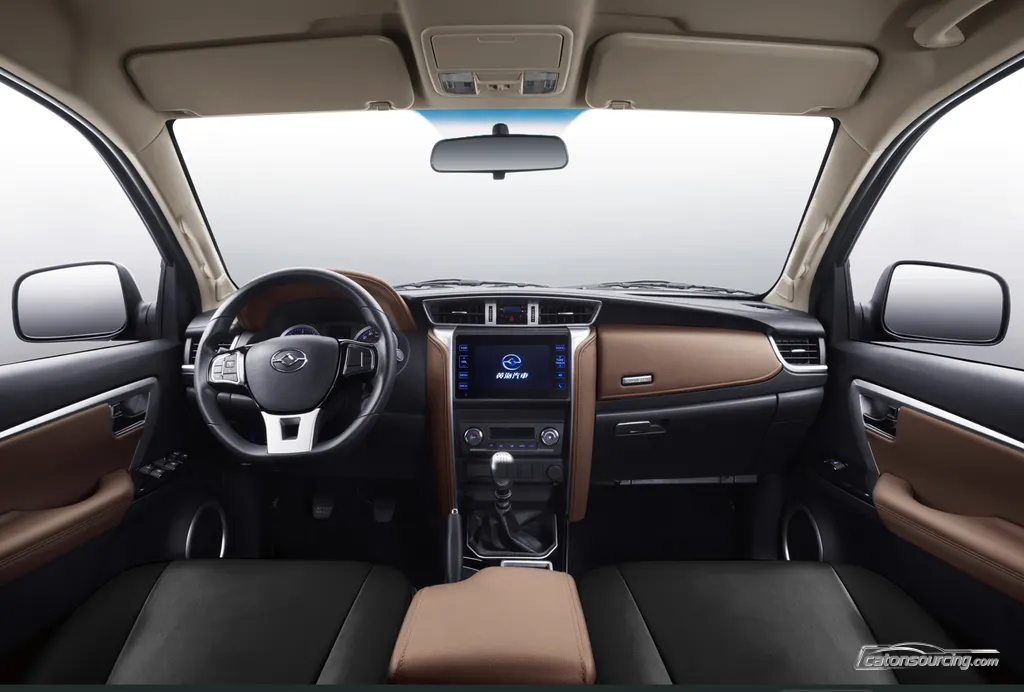
Safety equipment on the N1 varied by trim and model year, but typically included dual front airbags, ABS with EBD, three-point seatbelts for all occupants, and a seatbelt reminder for the driver. Higher-specification models added rear parking sensors. The interior, while constructed with cost-conscious materials such as fabric upholstery and a plastic steering wheel, was designed with an emphasis on practical storage, reportedly offering up to 21 separate storage areas throughout the cabin. Higher trims could be specified with leather or faux-leather seating and a multifunction display, reflecting the gradual blurring of the boundary between work truck and daily driver that characterized the N1's market positioning.
Market Role and Variants
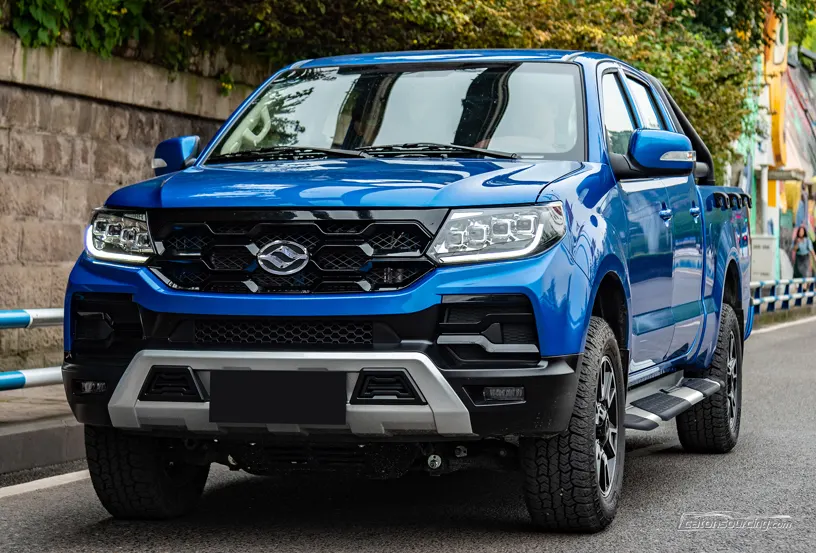
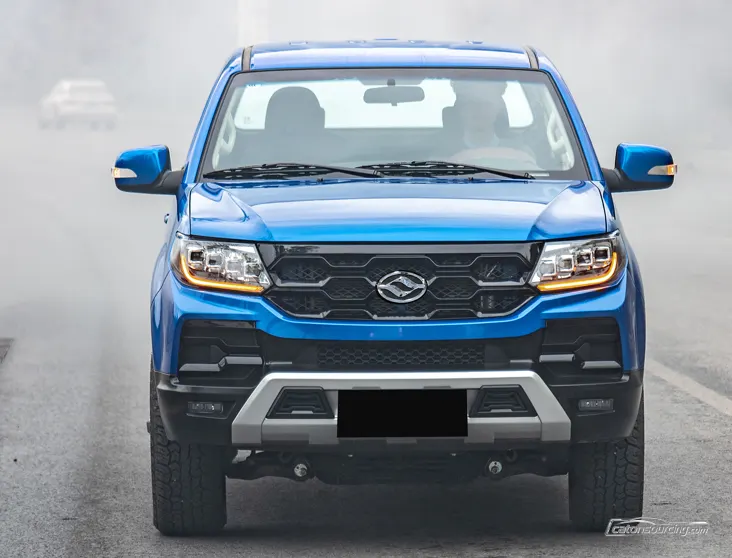
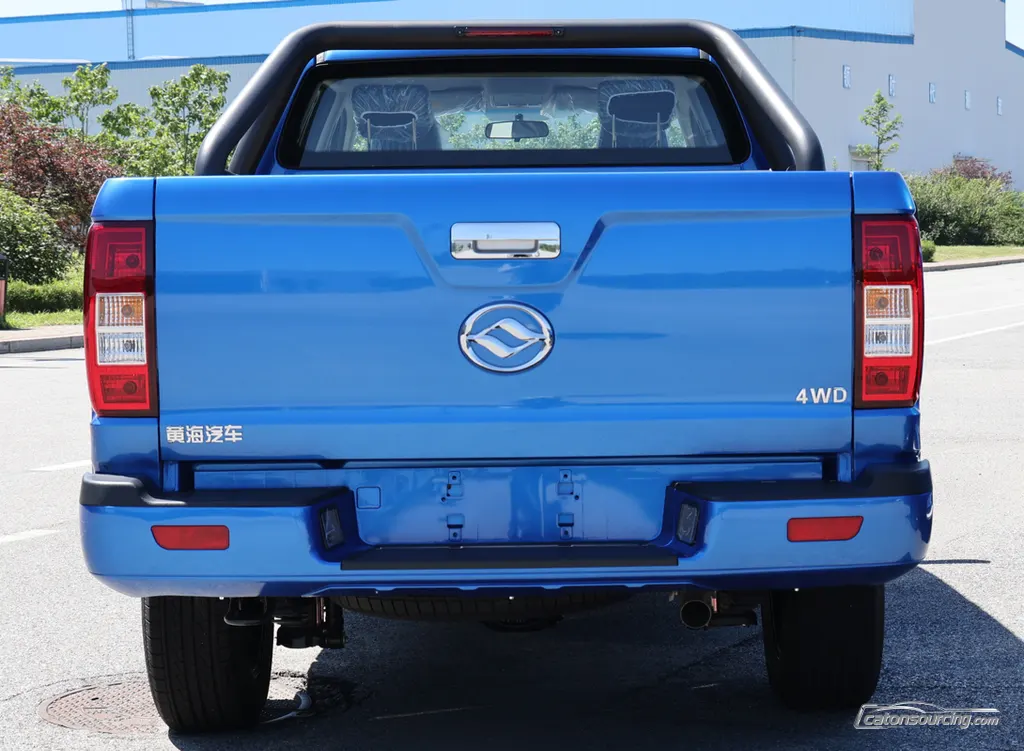
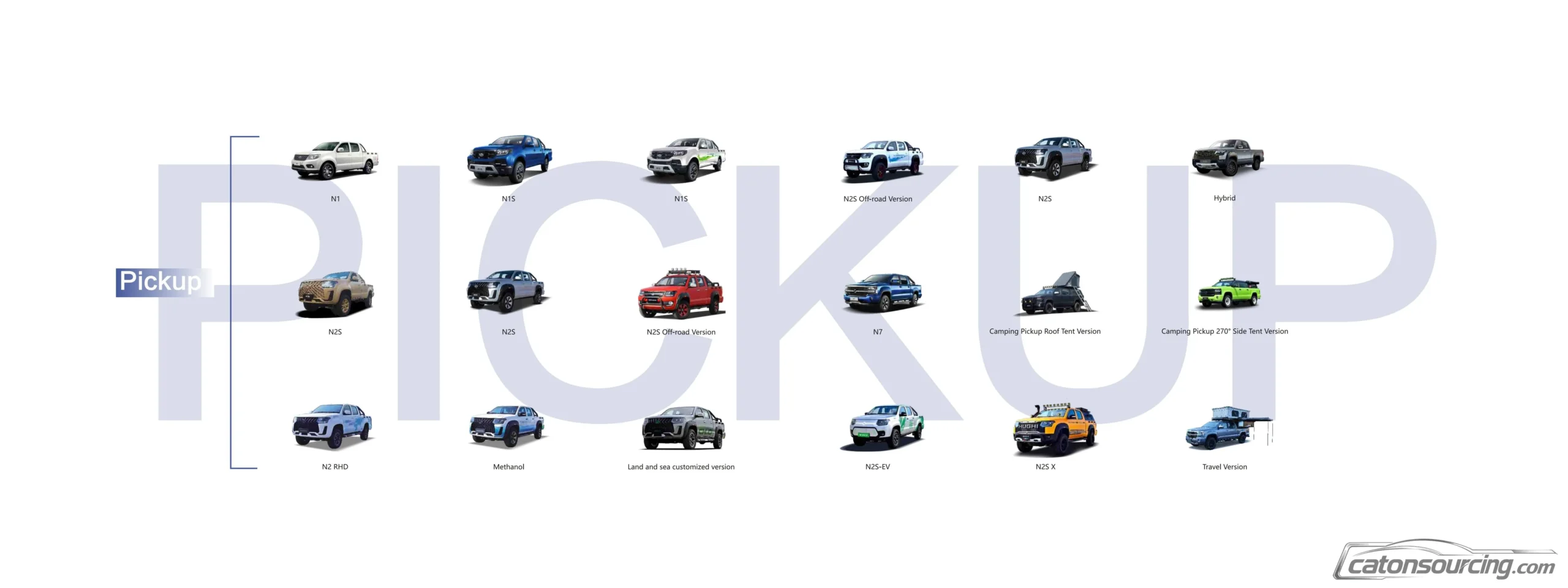
The Huanghai N1 was priced in the accessible range of approximately 69,800 to 82,800 yuan during its earlier production years, later settling into the 74,800 to 80,800 yuan bracket for the 2023 gasoline lineup. It was offered primarily in double-cab, five-passenger configuration with rear-wheel drive, though four-wheel-drive variants and single-cab body styles were also produced for specific markets and applications. A sportier derivative, the N1S, featured revised front-end styling with a restyled bumper and grille, and a further variant marketed as the Huanghai Daniu adopted a distinctly different front fascia while sharing the N1's fundamental architecture. These variants allowed Huanghai to address a broader spectrum of buyers, from fleet operators seeking a basic workhorse to private owners desiring a more contemporary appearance.
In summary, the Huanghai N1 occupies a pragmatic niche within the Chinese pickup market. It is not a luxury vehicle nor a dedicated off-road machine, but rather a carefully cost-engineered tool that incorporates enough modern comfort and safety features to serve as a viable everyday vehicle for tradespeople and small-business owners. Its ladder frame, proven Mitsubishi and Isuzu-derived engines, and utilitarian suspension layout prioritize durability and repairability over sophistication, a formula that has sustained the N1 through multiple model years and emissions regimes.



暂无评价内容